

Global Shockwaves and the Aftermath of the U.S. Intervention in Venezuela
At a glance
As Washington declares a new era for Caracas following the capture of Nicolás Maduro, world leaders struggle to align diplomatic protocols with the sudden reality of a U.S.-managed transition.
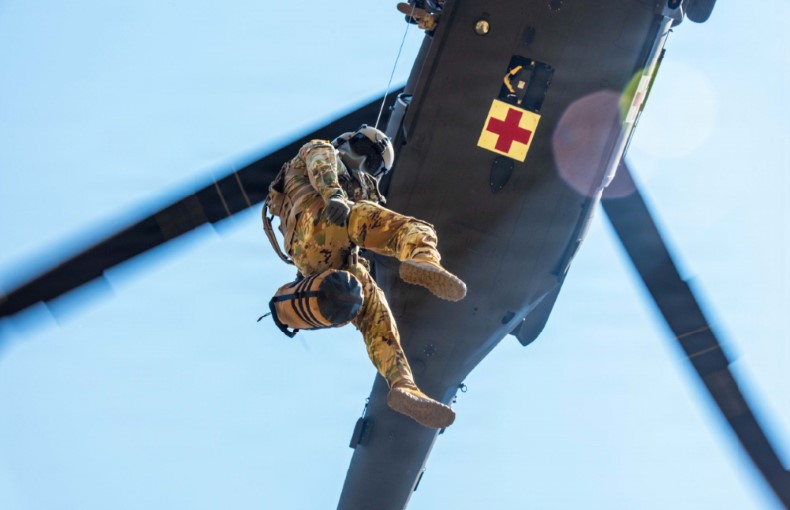
In a dawn operation that has redrawn the geopolitical map of Latin America, United States forces launched a large-scale strike on Venezuela early Saturday, January 3, 2026, resulting in the capture of President Nicolás Maduro and his wife, Cilia Flores. The operation, described by the White House as a necessary intervention to dismantle a "narco-terrorist" regime, has sent shockwaves through global capitals while igniting scenes of euphoric celebration across the Venezuelan diaspora.
The Dawn Raid and Washington's Stance
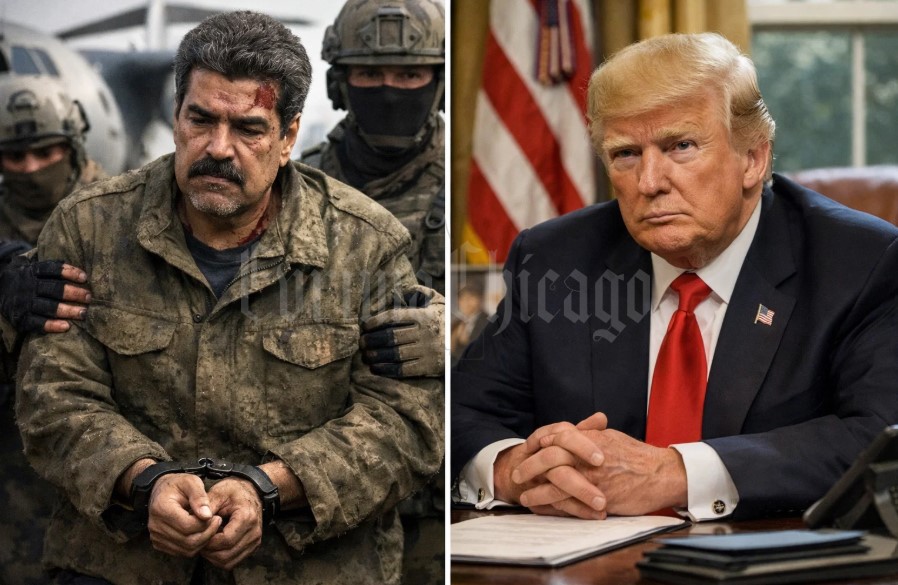
The strikes, which reportedly targeted military installations and communications infrastructure in Caracas, culminated in the seizure of Maduro from the Fuerte Tiuna military complex. U.S. President Donald Trump, in a statement issued on Truth Social shortly after 4:30 a.m. ET, confirmed the operation's success. "The United States of America has successfully carried out a large-scale strike against Venezuela and its leader, President Nicolás Maduro, who has been, along with his wife, captured and flown out of the Country," the President wrote. He later posted an image purporting to show the deposed leader blindfolded and handcuffed aboard the USS Iwo Jima, en route to federal custody in New York.
The administration's rhetoric has been unyielding. During a press conference at Mar-a-Lago, President Trump declared that the U.S. would "run the country" until a "safe, proper, and judicious transition" could be established. This assertion of direct stewardship has revived discussions around the Monroe Doctrine, signaling a muscular reassertion of American influence in the Western Hemisphere. Attorney General Pam Bondi reinforced the administration's legal footing, announcing unsealed indictments in the Southern District of New York that charge the couple with leading a "corrupt, illegitimate government" fueled by narcotics trafficking.
Celebration and Anxiety in the Diaspora
For the millions of Venezuelans driven into exile by years of economic collapse and political repression, the news was met with an outpouring of raw emotion. In Doral, Florida, the heart of the Venezuelan-American community, streets filled with citizens draped in the tricolor flag, chanting "Liberty! Liberty!" outside popular gathering spots like El Arepazo.
"We're like everybody, it's a combination of feelings," said Alejandra Arrieta, a resident of Doral, in an interview with the press. "There's fears. There's excitement. There's so many years that we've been waiting for this. Something had to happen." Similar scenes played out in Madrid, Santiago, and Lima, where the diaspora viewed the intervention not as an invasion, but as a liberation.
Global Reactions: A Diplomatic Tightrope
While the streets of Doral celebrated, the halls of power in Ottawa, Brasília, and Moscow reverberated with caution and condemnation. The international community found itself split between relief at Maduro's removal and alarm at the method of his ouster.
Canada's Calculated Position
In Ottawa, the reaction was carefully calibrated. Prime Minister Mark Carney, navigating a complex relationship with the Trump administration, emphasized the democratic aspirations of the Venezuelan people while stopping short of endorsing the military strike itself. "Canada has not recognized the illegitimate regime of Maduro since it stole the 2018 election," Carney stated on social media. "The Canadian government therefore welcomes the opportunity for freedom, democracy, peace, and prosperity for the Venezuelan people."
Foreign Affairs Minister Anita Anand echoed this sentiment, noting Canada's refusal to recognize the legitimacy of the Maduro regime but urging all parties to "respect international law." Opposition parties were more direct in their critique; the NDP and Green Party condemned the operation as a flagrant breach of sovereignty, while the Bloc Québécois expressed concern over the U.S. acting as a unilateral enforcer.
Condemnation from the South and East
Regional powers were less ambiguous. Brazilian President Luiz Inácio Lula da Silva issued a stinging rebuke, calling the bombing and capture a "grave affront to Venezuela's sovereignty" that crossed an "unacceptable line." For Brazil, the precedent of a U.S. military extraction of a sitting Latin American head of state evokes painful historical memories.
Across the Atlantic, Russia's Foreign Ministry decried the operation as a "grave violation of sovereignty and international law," warning of the destabilizing consequences of such aggressive unilateralism. Iran similarly condemned the U.S. actions, highlighting the deep geopolitical fissures that the operation has exposed.
Uncertainty on the Ground
Inside Venezuela, the mood was one of confusion and trepidation. Reports from Caracas described empty streets patrolled by security forces and the lingering smoke from the overnight strikes. State television continued to broadcast pro-Maduro propaganda, labeling the event an "imperialist attack" and calling for mobilization, though widespread protests in defense of the regime failed to materialize immediately.
With the U.S. declaring intent to manage the nation's vast oil infrastructure and guide its political transition, Venezuela enters a period of profound uncertainty. The removal of Maduro leaves a power vacuum that Washington aims to fill, but the path from a dawn raid to a stable democracy remains fraught with legal, diplomatic, and logistical perils.
Visit Original Article
More from Crime


The Daily Brief
Get the day's most important stories, handpicked by our editors, delivered to your inbox every morning.
No spam. Unsubscribe anytime.