
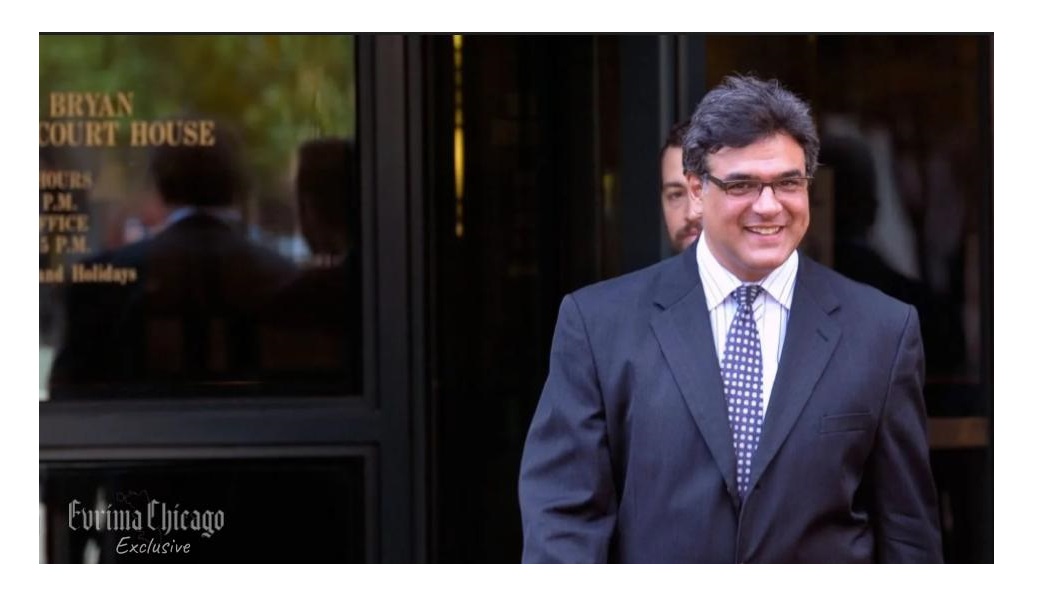

John Kiriakou remains the only individual ever imprisoned in connection with the CIA’s 'enhanced interrogation' program—not for implementing torture, but for confirming its existence to the American public. His conviction under the Intelligence Identities Protection Act marked a watershed moment in the weaponization of the Espionage Act against national security whistleblowers. This investigation reveals the granular details of his 23-month incarceration and the high-stakes legal precedent that continues to chill dissent within the U.S. intelligence community today.
The Faisalabad Ghost
The Capture of Abu Zubaydah
On the night of March 28, 2002, John Kiriakou led the CIA team that raided a safehouse in Faisalabad, Pakistan. The objective was Abu Zubaydah, then believed to be a high-ranking Al-Qaeda facilitator. The mission was a tactical triumph, resulting in the first major capture of the post-9/11 era. Kiriakou would later describe the intensity of that night as a career peak, a moment where the mission felt absolute and the moral lines were clearly drawn.

Following the capture, Kiriakou spent hours communicating with Zubaydah, treating him with a measure of professionalism that stood in stark contrast to what was to follow. He would later reflect on the irony that he, the man who captured the high-value target, was later criminalized for describing the very methods used to break that target. This mission established Kiriakou as a rising star within the Counterterrorism Center, but it also sowed the first seeds of his eventual disillusionment.
Within months of the capture, Kiriakou was approached by superiors at Langley with an offer: to be trained in 'enhanced interrogation techniques.' The training involved reverse-engineered survival skills intended for U.S. pilots, now repurposed for offensive interrogation. Kiriakou refused the offer on ethical grounds. It was an internal act of resistance that went largely unnoticed at the time but set the stage for his 2007 public disclosure.

The December Declaration
Breaking the Silence on ABC News
In December 2007, three years after leaving the Agency, Kiriakou sat down with ABC’s Brian Ross. He became the first U.S. official to publicly confirm that waterboarding was not just a rogue tactic but official U.S. policy sanctioned at the highest levels of government. The disclosure sent shockwaves through the Bush administration and the intelligence community, which had maintained a stance of calculated ambiguity regarding interrogation methods.

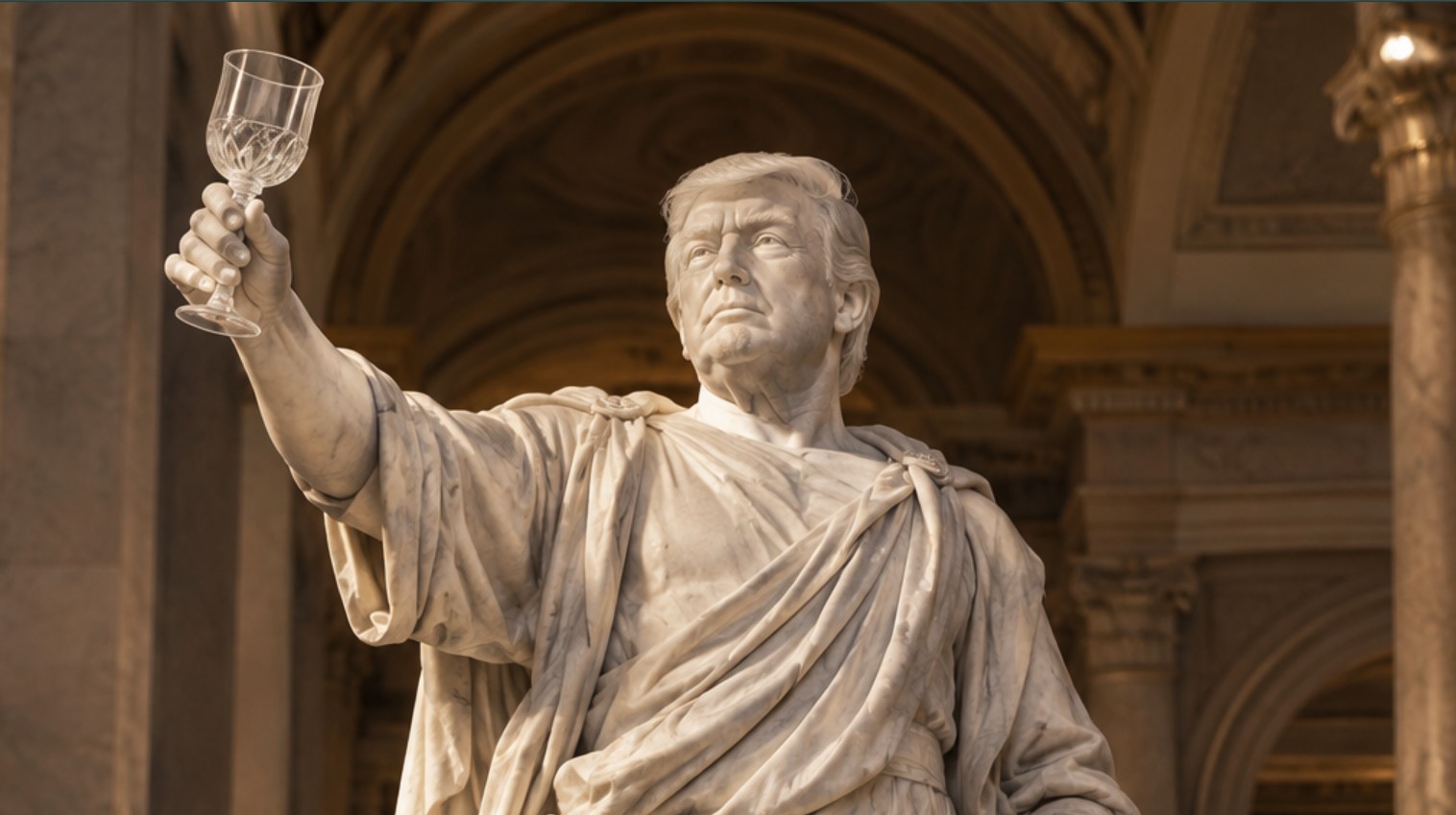
Due to strict content and platform safety guidelines, we are unable to produce imagery that directly depicts or recreates acts associated with waterboarding. However, the referenced meme is not intended to harass, threaten, target, or incite harm toward any individual or group. Its purpose is solely informational and commentary-based, intended to explain or discuss the concept in a non-graphic, satirical, or educational context protected under principles of expressive communication and public discourse.
The blowback was instantaneous and multi-layered. Within 24 hours of the broadcast, the CIA filed a crimes report against Kiriakou. While the Bush Justice Department initially declined to prosecute, citing that the information was largely in the public domain, the Agency never forgave the breach of its internal omertà. Kiriakou soon found himself subject to relentless IRS audits and a level of surveillance that transformed his domestic life into a theater of state scrutiny.
By the time the Obama administration took office, the legal climate for whistleblowers had chilled significantly. Kiriakou was targeted as part of a broader crackdown on 'leakers,' ultimately being charged under the 1917 Espionage Act. While he eventually pleaded guilty to a lesser charge—violating the Intelligence Identities Protection Act—his supporters argue the prosecution was a transparent act of retribution for the torture disclosure.
Loretto and the Psychological Toll
Strategic Alliances Behind the Wire
Kiriakou served his sentence at the Federal Correctional Institution (FCI) in Loretto, Pennsylvania. His survival strategy in prison was dictated by his CIA training: find the power centers and negotiate. He initially feared that his background as a 'cop' in the eyes of inmates would make him a target, but he managed to build strategic alliances with fellow prisoners. He famously worked as a janitor in the prison chapel for $5.25 a month.
Despite the physical safety he secured, the psychological impact was profound. Kiriakou has spoken candidly about the 'Count Time' dreams—vivid nightmares where he finds himself back in the prison yard, waiting for the bells to ring. He estimates that every whistleblower who serves time emerges with a form of post-traumatic stress. The isolation from his five children and the loss of his $700,000 federal pension added a layer of financial ruin to the mental burden.
His 'Letter from Loretto' series, published while he was behind bars, served as a vital link to the outside world. In these letters, he exposed the mundanity and the occasional cruelty of the U.S. carceral system. These writings cemented his transition from a silent operative to a vocal advocate for prison reform and civil liberties. He emerged from prison not as a defeated man, but as a seasoned critic of the national security state.
The Strategic Ledger
Final Verdict
John Kiriakou’s story is often framed as a simple leak investigation, but its true dimensions are found in the systematic destruction of a public servant who dared to challenge the Agency’s internal morality. By targeting him, the U.S. government sent a clear message: the revelation of illegal acts is more punishable than the acts themselves. Today, Kiriakou continues to serve as a beacon for those who believe that the U.S. Constitution must remain the ultimate authority, even within the shadows of Langley.