
Power, Paranoia, and the Diddy Question

At a glance
A Deep Dive into Celebrity Allegations and American Culture
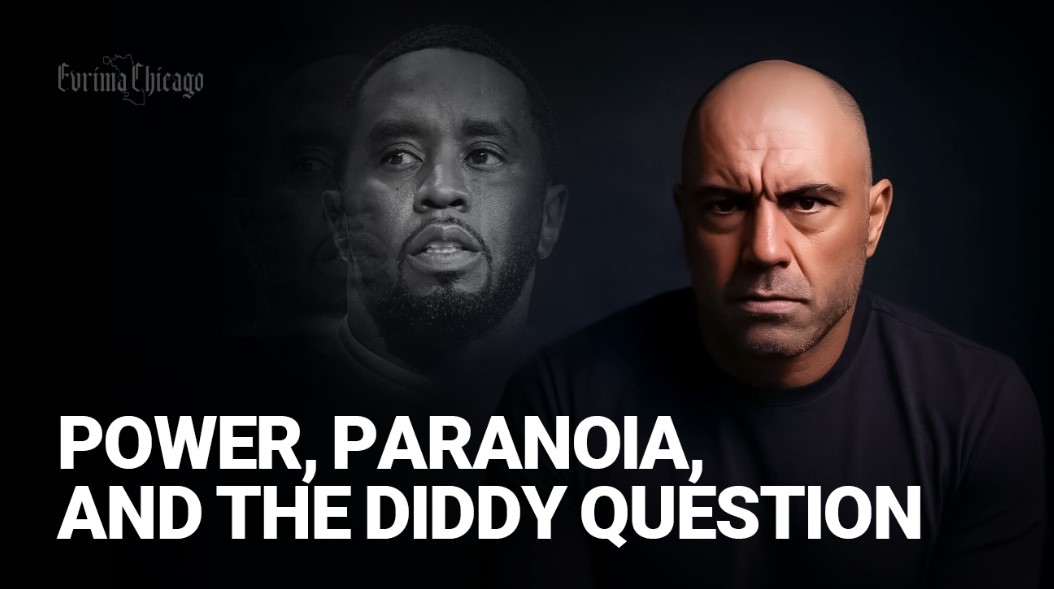
In the court of public opinion, few figures fall as hard; or as spectacularly; as a once-revered icon. That appears to be the unfolding reality for Sean "Diddy" Combs, the entertainment mogul now at the center of a swirl of legal allegations, federal investigations, and explosive rumors implicating everything from sex trafficking to blackmail, and even political manipulation. And in the ever-voracious news cycle of 2025, Diddy isn't just a trending topic; he's a case study in power, excess, and the blurry boundary between myth and truth.
This is the storm Joe Rogan and his guests waded into across multiple recent podcast episodes. Their conversations; part comedy, part cultural commentary; unpacked a storyline that is equal parts surreal and deeply unsettling. What began as internet murmurs and tabloid whispers has snowballed into a full-blown national obsession. But what exactly is going on with Diddy? And why does it feel eerily familiar?
From Harlem to Hummers: Diddy and the Rise of Allegations
By most accounts, Sean Combs was a self-made success story; a music mogul, a fashion entrepreneur, a hip-hop visionary. But behind the velvet rope of his curated persona, there now seems to have been another world entirely. According to Rogan and comedian Andrew Schulz, who joined him in one of the episodes, Diddy's world may have been one of extreme control, manipulation, and possibly criminal behavior.
One viral moment highlighted on the show involved a man caught in the middle of the LA raid, hysterically shouting "I'm a celebrity!" while wearing a sports bra and red tights. It would be hilarious; if it weren't so tragic.
The deeper concern? That Diddy may not have been operating alone. In a world where fame intersects with influence and influence borders on immunity, the idea that he might have served as a kind of gatekeeper—or worse, blackmailer—has gained traction.
The Epstein Echo: Familiar Patterns and Dark Possibilities
One of the most striking elements of Rogan's conversation was the direct comparison of the Diddy situation to that of Jeffrey Epstein. Like Epstein, Diddy is accused not just of committing acts of abuse, but of cultivating an entire environment where such acts could occur unchecked. There are allegations; some substantiated, others speculative—that powerful people were recorded at his parties, potentially being compromised for future leverage.
The idea is chilling, but not new. Ghislaine Maxwell sits in prison for trafficking minors, but to this day, not one person has been formally charged as a recipient of those "services." Diddy's case, some suggest, might follow the same pattern: investigations that go nowhere, truths buried in settlements, and a collective shrug from the system.
At the core of this comparison is the same haunting question: Who really holds the power? And when the evidence threatens to expose too many, do entire systems move to suppress it?
Poison, Power Moves, and Jamie Foxx
One of the more bizarre threads in the tapestry of Diddy speculation comes from Jamie Foxx, who allegedly hinted in a recent stand-up performance that his mysterious 2023 hospitalization was the result of Diddy "poisoning" him. Though the claim could be interpreted as a joke; or an exaggerated metaphor; others have repeated it more seriously, including a celebrity bodyguard who claimed Foxx was poisoned multiple times and had reported Diddy to the FBI.
The details are fuzzy, but they reinforce the broader image of Diddy painted in these podcasts: a man whose reach extended far beyond the entertainment industry, possibly into espionage-style surveillance, manipulation, and blackmail. Whether these accusations hold legal weight remains to be seen. What's clear is the cultural narrative they're feeding: Diddy as not just an accused abuser, but an orchestrator of a deeper, more intricate game.
The Music Industry's Dirty Underbelly
Beyond Diddy's specific case, Rogan and his guests explore a broader history of corruption in the music business. Back in the 1990s and early 2000s, performing at clubs often meant dealing with local gangsters laundering money. Artists had to "check in" with these figures—an arrangement blending extortion and survival. It was an environment where power dynamics were fluid, dangerous, and often criminal.
This old-school gangster mentality, Rogan suggests, never quite left. It just moved into mansions, evolved with technology, and began filming everything.
And that's where things become truly terrifying. Because if Diddy really was filming guests at his infamous parties—intimate, compromised, and unaware—the implications go beyond music and into national security, politics, and media integrity.
The Kamala Connection and Political Fallout

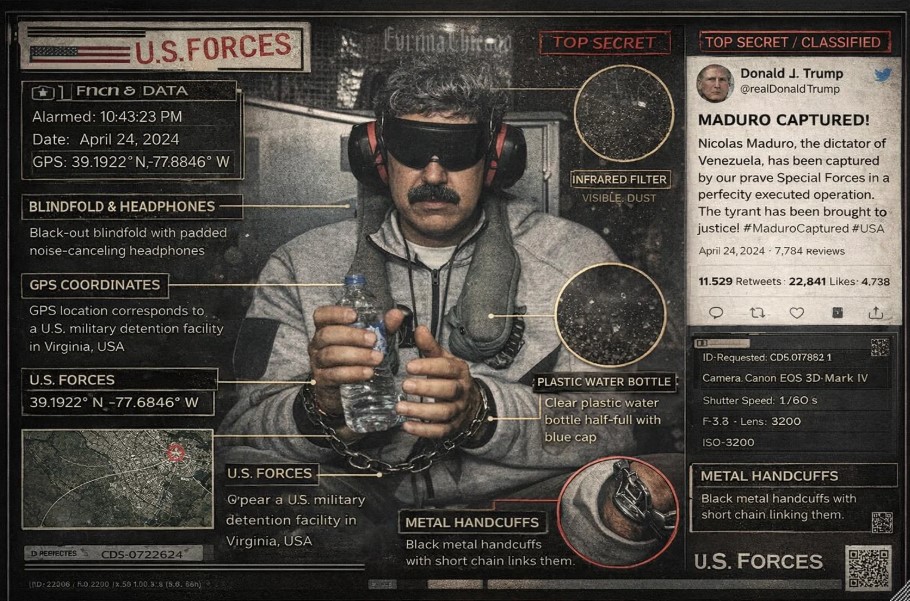
AI Generated - Credits Stable Diffusion.
In a more speculative turn, some podcast moments veer into the possibility that Diddy's influence reached political heights. Could his parties have been tools for political blackmail? Were guests ever coerced into supporting candidates or policies for fear of personal videos surfacing? These questions, while unproven, underscore a disturbing possibility: that in modern America, power isn't just about money or fame; it's about leverage.
It's speculation, yes; but not without precedent. Power, as history shows, often hides behind charm and celebrity.
Settlements, Secrets, and the Illusion of Justice
At the heart of the Diddy discourse lies the uncomfortable reality that few expect actual justice. As was the case with Epstein, and with others before him, the smart money is on quiet settlements, disappearing evidence, and reputations carefully managed through PR and payouts.
Rogan's team muses about how many cases are already being paid off. One guest suggests that Diddy, facing the end of his public life, might start "singing" out of spite; taking others down with him. But will the public ever see those names? Or will they vanish beneath a media cycle designed to forget?
The Epstein Files Fiasco: Transparency Theater in Real Time

The recent release of the so-called “Epstein files” only sharpened public cynicism. Marketed as a long-awaited reckoning, the disclosure instead felt like an exercise in controlled transparency: hundreds of pages, few surprises, and virtually no consequences. Names long rumored appeared without context or charges, while the deeper mechanisms of Epstein’s operation; financiers, political protectors, intelligence overlaps; remained conspicuously untouched. For many observers, it confirmed a suspicion that has lingered since Epstein’s death: the system is willing to expose just enough to appear accountable, but never enough to implicate itself.
This matters in the context of Diddy because the pattern feels painfully familiar. In both cases, the public is offered documentation without resolution, scandal without adjudication. Ghislaine Maxwell sits in prison, yet no “clients” were ever prosecuted. The message, intentional or not, is chilling: networks can be acknowledged without being dismantled. When Joe Rogan and his guests draw parallels between Epstein and Diddy, they’re not claiming identical crimes; they’re pointing to identical outcomes; diffuse blame, sealed settlements, and an elite class that seems structurally insulated from full exposure.
The Epstein files didn’t restore faith in justice; they eroded it. And that erosion is the backdrop against which the Diddy allegations are being received. The public no longer expects truth to arrive cleanly through official channels. Instead, it watches podcasts, reads between redactions, and assumes that whatever is most damaging will never be fully named. In that sense, the Epstein files weren’t a conclusion; they were a warning. A preview of how power survives scandal by managing disclosure, not eliminating corruption.
The Rotten Fruit of Fame
In their final reflections, Rogan and his co-hosts aren't laughing. They're disturbed. The parties, the power plays, the whispered rumors; they all point to something darker about how celebrity and control coexist in America. There are levels to Hollywood, and most people, even many working within the entertainment industry, never get close enough to smell the rot.
For now, Diddy remains an enigma; an accused man, not a convicted one. But the public isn't waiting for a courtroom verdict. The cultural shift is already underway, with comedians, journalists, and average people asking: how did we let this happen again?
And perhaps more urgently: who's next?
Watch the official video uploaded by Joe Rogan
Watch the official video uploaded by Joe Rogan
-
Disclaimer
- This is a critical opinion-based cultural analysis authored by Waa Say and reflects his personal editorial perspective. The views expressed do not represent the institutional stance of Evrima Chicago.
- This article draws from open-source information, legal filings, published interviews, and public commentary — including audio content from The Joe Rogan Experience podcast. All allegations referenced remain under investigation or unproven in a court of law.
- No conclusion of criminal liability or civil guilt is implied. Any parallels made to public figures are interpretive in nature and intended to examine systemic patterns of influence, celebrity, and accountability in American culture.
- Where relevant, satirical, rhetorical, and speculative language is used to explore public narratives and their societal impact. Readers are strongly encouraged to engage critically and examine primary sources where possible.
- This piece is protected under the First Amendment of the U.S. Constitution and published under recognized standards of opinion journalism.
- Evrima Chicago remains committed to clear distinction between fact-based reporting and individual editorial perspective.
More from United States

The Daily Brief
Get the day's most important stories, handpicked by our editors, delivered to your inbox every morning.
No spam. Unsubscribe anytime.