
The Alchemist of the Rust Belt
At a glance
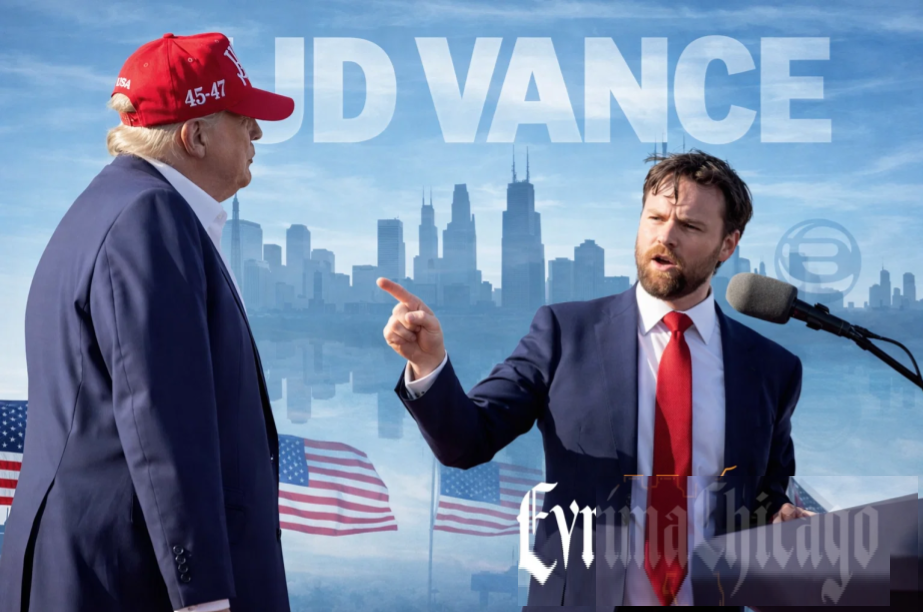
How JD Vance transmuted Appalachian despair into the gold standard of the New Right, becoming the most consequential Vice President in modern history.
It is difficult now, sitting in the quiet friction of January 2026, to remember when James David Vance was merely an interpreter. A decade ago, he was the whispered apology of the flyover states, the man who walked into the dinner parties of the coastal elite and explained, over Pinot Noir and pity, why his people were burning. He was the safe conduit for liberal guilt. He was the designated mourner of the white working class.
That version of the man is dead. He was buried, perhaps, in the baptismal font of St. Gertrude Priory in 2019, or maybe he dissolved quietly in the boardroom of Mithril Capital. The man who occupies the Naval Observatory today is not a mourner. He is an architect. As Vice President, Vance has become something far more potent than a survivor of the Rust Belt; he is the vengeance of it. He represents the first true synthesis of the populist grievance and the elite capability required to wield it.
It is difficult now, sitting in the quiet friction of January 2026, to remember when James David Vance was merely an interpreter. A decade ago, he was the whispered apology of the flyover states, the man who walked into the dinner parties of the coastal elite and explained, over Pinot Noir and pity, why his people were burning. He was the safe conduit for liberal guilt. He was the designated mourner of the white working class.
That version of the man is dead. He was buried, perhaps, in the baptismal font of St. Gertrude Priory in 2019, or maybe he dissolved quietly in the boardroom of Mithril Capital. The man who occupies the Naval Observatory today is not a mourner. He is an architect. As Vice President, Vance has become something far more potent than a survivor of the Rust Belt; he is the vengeance of it. He represents the first true synthesis of the populist grievance and the elite capability required to wield it.
The Geography of Betrayal
To understand the Vice President, one must look past the polished Senate floor speeches and return to the rain-slicked asphalt of Middletown, Ohio. The narrative of Hillbilly Elegy is well-trodden, yet it is often misread as a simple horatio alger story. It was not just about escaping poverty; it was about escaping a specific kind of American failure. Vance grew up in the wreckage of the post-war industrial pact. He saw, with the clarity of a child stepping over needles, what happens when capital abandons labor.
The feeling was not just hunger or cold, it was irrelevance. The profound sense that the people in charge did not just fail you, but that they did not even see you.
This trauma is the engine. It is why his conversion to Donald Trump’s orbit was not, as his critics suggest, a mere careerist pivot. It was a realization. Vance initially viewed Trump as “cultural heroin” because he thought the solution to Middletown’s pain was moral fortitude and personal responsibility. His years at Yale Law School, however, taught him a different lesson: the game was rigged by the very people teaching him the rules.
To understand the Vice President, one must look past the polished Senate floor speeches and return to the rain-slicked asphalt of Middletown, Ohio. The narrative of Hillbilly Elegy is well-trodden, yet it is often misread as a simple horatio alger story. It was not just about escaping poverty; it was about escaping a specific kind of American failure. Vance grew up in the wreckage of the post-war industrial pact. He saw, with the clarity of a child stepping over needles, what happens when capital abandons labor.
The feeling was not just hunger or cold, it was irrelevance. The profound sense that the people in charge did not just fail you, but that they did not even see you.
This trauma is the engine. It is why his conversion to Donald Trump’s orbit was not, as his critics suggest, a mere careerist pivot. It was a realization. Vance initially viewed Trump as “cultural heroin” because he thought the solution to Middletown’s pain was moral fortitude and personal responsibility. His years at Yale Law School, however, taught him a different lesson: the game was rigged by the very people teaching him the rules.
The Yale Masquerade
There is a specific irony in Vance’s pedigree. He is a product of the institutions he now seeks to dismantle. At Yale, he moved among the scions of the establishment. He learned their language, their signaling, and their profound detachment from the reality of the American interior. It was here, under the tutelage of Amy Chua, that he learned to weaponize his biography. But he also learned something darker: that the meritocracy was a myth designed to perpetuate a ruling class that despised his grandmother.
Vance did not leave Yale wanting to join that club. He left wanting to burn down the clubhouse, or at least evict the tenants. The “Never Trump” stance of 2016 was the last gasp of his desire for mainstream respectability. When he abandoned it, he did not just switch candidates; he switched worldviews. He accepted that the polite conservatism of the country club could not save Middletown. Only a wrecking ball could.
There is a specific irony in Vance’s pedigree. He is a product of the institutions he now seeks to dismantle. At Yale, he moved among the scions of the establishment. He learned their language, their signaling, and their profound detachment from the reality of the American interior. It was here, under the tutelage of Amy Chua, that he learned to weaponize his biography. But he also learned something darker: that the meritocracy was a myth designed to perpetuate a ruling class that despised his grandmother.
Vance did not leave Yale wanting to join that club. He left wanting to burn down the clubhouse, or at least evict the tenants. The “Never Trump” stance of 2016 was the last gasp of his desire for mainstream respectability. When he abandoned it, he did not just switch candidates; he switched worldviews. He accepted that the polite conservatism of the country club could not save Middletown. Only a wrecking ball could.
The Silicon Praetorian
The transformation was financed, both literally and intellectually, in Silicon Valley. This is the crucial, often overlooked gear in the Vance machine. His tenure with Peter Thiel was not just a job; it was a graduate seminar in reactionary futurism. Thiel, the contrarian billionaire, provided Vance with a critique of progress that went beyond tax cuts and deregulation. They shared a suspicion that the entire trajectory of Western liberalism was broken.
In 2022, when Thiel poured $15 million into Vance’s Senate campaign, it was not a donation. It was a seed investment in regime change. The Tech Right—that strange alliance of venture capitalists and neo-reactionaries—saw in Vance a perfect vessel. He had the populist bona fides to charm the base and the intellectual horsepower to execute the vision. He was the bridge between the holler and the microchip.
- The Critique: Liberal democracy has failed to deliver prosperity or security.
- The Solution: A muscular, state-wielding conservatism that punishes enemies and rewards friends.
- The Mechanism: The Republican Party, reformatted as a party of the working class.
The transformation was financed, both literally and intellectually, in Silicon Valley. This is the crucial, often overlooked gear in the Vance machine. His tenure with Peter Thiel was not just a job; it was a graduate seminar in reactionary futurism. Thiel, the contrarian billionaire, provided Vance with a critique of progress that went beyond tax cuts and deregulation. They shared a suspicion that the entire trajectory of Western liberalism was broken.
In 2022, when Thiel poured $15 million into Vance’s Senate campaign, it was not a donation. It was a seed investment in regime change. The Tech Right—that strange alliance of venture capitalists and neo-reactionaries—saw in Vance a perfect vessel. He had the populist bona fides to charm the base and the intellectual horsepower to execute the vision. He was the bridge between the holler and the microchip.
- The Critique: Liberal democracy has failed to deliver prosperity or security.
- The Solution: A muscular, state-wielding conservatism that punishes enemies and rewards friends.
- The Mechanism: The Republican Party, reformatted as a party of the working class.
The Catholic Integralist
We cannot ignore the metaphysical dimension. Vance’s conversion to Catholicism in 2019 was the spiritual seal on his political radicalization. He did not join the Church of social justice and seamless garments; he joined the Church of Augustine and Aquinas. He was drawn to the ancient, the hierarchical, and the absolute. In a world of fluid identities and relative truths, Vance sought bedrock.
This faith informs his post-liberalism. He does not believe in a neutral public square. He believes that the government has a duty to foster virtue, or at least the specific set of virtues he holds dear. This makes him dangerous to libertarians and terrifying to progressives. He is not interested in shrinking the state to the size of a bathtub; he wants to seize the state and use it to defend the family, the border, and the faith.
We cannot ignore the metaphysical dimension. Vance’s conversion to Catholicism in 2019 was the spiritual seal on his political radicalization. He did not join the Church of social justice and seamless garments; he joined the Church of Augustine and Aquinas. He was drawn to the ancient, the hierarchical, and the absolute. In a world of fluid identities and relative truths, Vance sought bedrock.
This faith informs his post-liberalism. He does not believe in a neutral public square. He believes that the government has a duty to foster virtue, or at least the specific set of virtues he holds dear. This makes him dangerous to libertarians and terrifying to progressives. He is not interested in shrinking the state to the size of a bathtub; he wants to seize the state and use it to defend the family, the border, and the faith.
The Crux
The significance of JD Vance is not that he became Vice President. It is that he represents the death of the fusionist consensus that defined the Republican Party since Reagan. He has successfully divorced conservatism from free-market fundamentalism. He argues, with the force of the state behind him, that the market was made for man, not man for the market.
He is the first leader of the Right who is fluent in the language of the Left’s structural critique but uses it for conservative ends. He understands class war better than the Democrats do. The Democrats see him as a hypocrite for his elite education; the base sees him as a spy who infiltrated the palace to open the gates. He is the operator who survived the rust, survived the Ivy League, and survived the Valley, only to return to Washington with a simple, devastating mandate: the old order is over.
The significance of JD Vance is not that he became Vice President. It is that he represents the death of the fusionist consensus that defined the Republican Party since Reagan. He has successfully divorced conservatism from free-market fundamentalism. He argues, with the force of the state behind him, that the market was made for man, not man for the market.
He is the first leader of the Right who is fluent in the language of the Left’s structural critique but uses it for conservative ends. He understands class war better than the Democrats do. The Democrats see him as a hypocrite for his elite education; the base sees him as a spy who infiltrated the palace to open the gates. He is the operator who survived the rust, survived the Ivy League, and survived the Valley, only to return to Washington with a simple, devastating mandate: the old order is over.
Sources & Citations
1. Biography and Career Arc: Wikipedia Contributors. JD Vance. Wikipedia, The Free Encyclopedia. Published online. Accessed January 13, 2026. Link
2. Senate Career and Election: Congress.gov. Senator J.D. Vance. Library of Congress. Accessed January 13, 2026. Link
3. The Thiel Connection: Mother Jones. Peter Thiel’s Huge Donation Backing J.D. Vance Could Upend the Ohio Senate Race. Mother Jones. Published March 15, 2021. Link
4. Religious Conversion: Boorstein M. JD Vance’s Catholic conversion is part of young conservative movement. The Washington Post. Published July 29, 2024. Link
5. The RNC Acceptance: Rev Transcripts. J.D. Vance Vice President RNC Speech Transcript. Rev.com. Published July 17, 2024. Link
EDITORIAL DISCLAIMER: This is a critical opinion-based cultural analysis authored by the editorial team at Writory and reflects their personal editorial perspective. This article draws from open-source information, legal filings, published interviews, and public commentary. All allegations referenced remain under investigation. Protected under the First Amendment of the U.S. Constitution. Editorial inputs: Waa Saywaasay@evrimachicago.com.
PR & Media Contact: Joe Flintoff (PR@evrimachicago.com)
1. Biography and Career Arc: Wikipedia Contributors. JD Vance. Wikipedia, The Free Encyclopedia. Published online. Accessed January 13, 2026. Link
2. Senate Career and Election: Congress.gov. Senator J.D. Vance. Library of Congress. Accessed January 13, 2026. Link
3. The Thiel Connection: Mother Jones. Peter Thiel’s Huge Donation Backing J.D. Vance Could Upend the Ohio Senate Race. Mother Jones. Published March 15, 2021. Link
4. Religious Conversion: Boorstein M. JD Vance’s Catholic conversion is part of young conservative movement. The Washington Post. Published July 29, 2024. Link
5. The RNC Acceptance: Rev Transcripts. J.D. Vance Vice President RNC Speech Transcript. Rev.com. Published July 17, 2024. Link
EDITORIAL DISCLAIMER: This is a critical opinion-based cultural analysis authored by the editorial team at Writory and reflects their personal editorial perspective. This article draws from open-source information, legal filings, published interviews, and public commentary. All allegations referenced remain under investigation. Protected under the First Amendment of the U.S. Constitution. Editorial inputs: Waa Saywaasay@evrimachicago.com.
PR & Media Contact: Joe Flintoff (PR@evrimachicago.com)
More from Politics
The Daily Brief
Get the day's most important stories, handpicked by our editors, delivered to your inbox every morning.
No spam. Unsubscribe anytime.