
The Epstein Death List

At a glance
Article : Unfinished, Under Construction, Under Review
Few modern scandals have generated as much speculation, outrage, and rumor as the case of Jeffrey Epstein. It is a story that blends extreme wealth, political proximity, celebrity access, and criminal exploitation into a narrative that feels almost cinematic. When Epstein was found dead in a Manhattan jail cell in 2019, the shock did not settle into quiet acceptance. Instead, it ignited a culture of suspicion that continues years later.
One of the
most persistent claims circulating online is that large numbers of people
connected to Epstein have died under mysterious circumstances. Social media
threads often cite lists of ten, twenty, even thirty names. Some posts imply
coordinated silencing. Others suggest elaborate cover ups involving
governments, intelligence services, or powerful elites. The truth, however, is
both more grounded and more complicated.
A careful
review of publicly documented deaths tied directly to Epstein reveals a much
smaller number than viral lists suggest. The individuals most commonly and
credibly linked include the central figure himself, a close associate, a former
business partner, certain individuals who had documented professional contact,
and at least one survivor witness. Each case carries its own context, timeline,
and official determination.
Jeffrey
Epstein
|
|
|
|


|
|

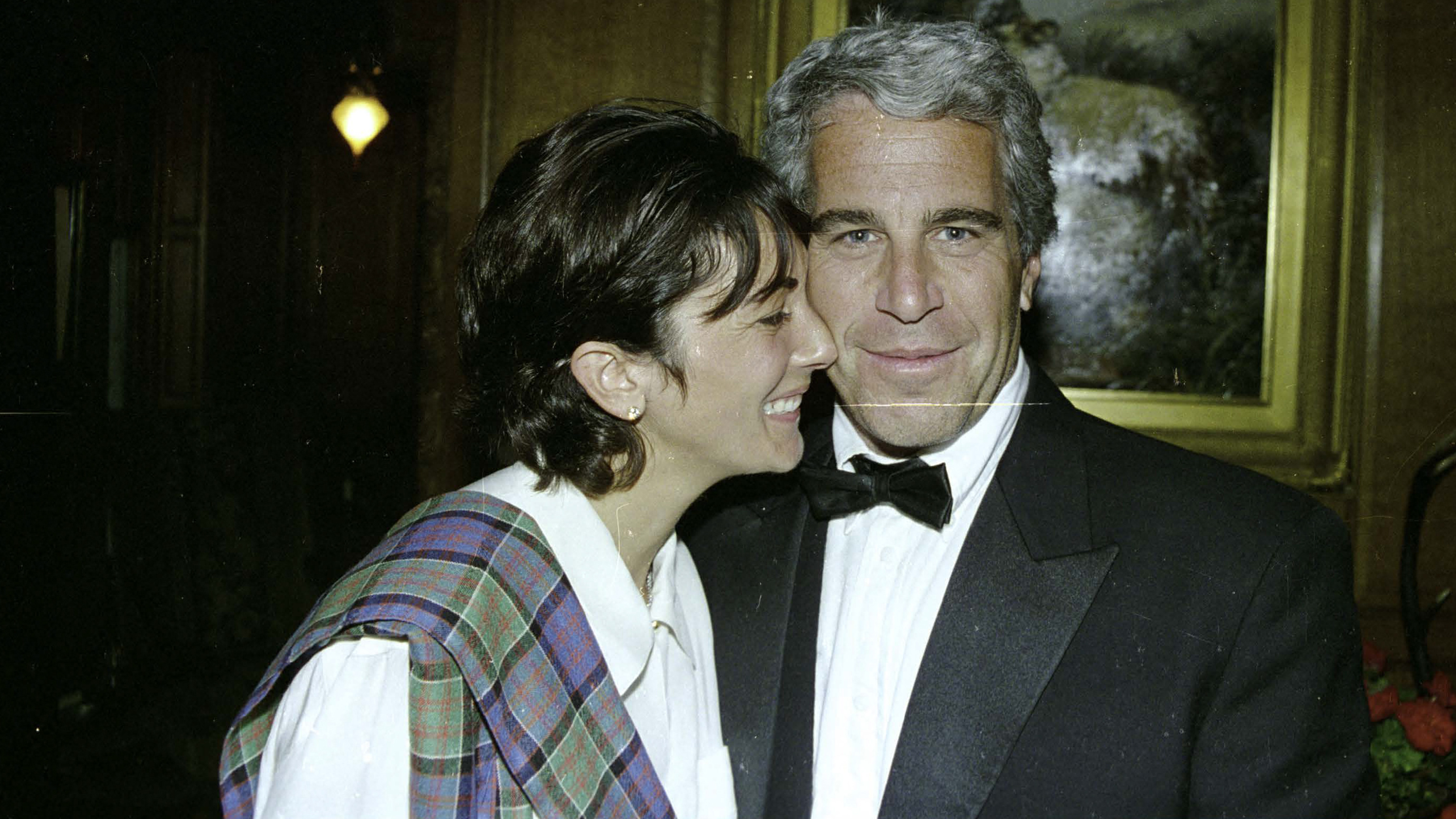
The center of the storm remains Jeffrey Epstein himself. Arrested in July 2019 on federal sex trafficking charges involving minors, he was detained at the Metropolitan Correctional Center in Manhattan. On August 10, 2019, he was found unresponsive in his cell. The New York City medical examiner ruled the death a suicide by hanging.
The ruling
did not quiet public doubt. Surveillance failures, staffing shortages, and
procedural irregularities fueled speculation. Guards were later charged with
falsifying records. Yet multiple official reviews, including those by the
Department of Justice, maintained the conclusion of suicide. There has been no
formal finding of homicide by any investigative authority. Epstein’s
death became the catalyst for broader narratives. If the man at the center of
the case died before trial, what about others in his orbit. The internet began
assembling lists.
Jean-Luc
Brunel
|
|
|
|


Virginia
Giuffre
|
|
|
|


Her death is often cited in viral compilations of alleged silencing. Yet it is crucial to distinguish documented cause from speculation. Official reporting describes suicide. The broader internet narrative frequently omits that distinction.
Mark
Middleton
|
|
|
|


Mark Middleton, a former aide to President Bill Clinton who had documented meetings with Epstein in the 1990s, died in May 2022 in Arkansas. Authorities ruled the death a suicide. Reports described a gunshot wound and hanging. The unusual details intensified online speculation.
It is
important to note that Middleton was not charged in connection with Epstein’s
crimes. His name appears in flight logs and visitor records, which is
sufficient for online forums to label him an associate. Official investigative
agencies have not linked his death to the Epstein prosecution.
Steven
Hoffenberg
|
|
|
|


Steven Hoffenberg was a former business partner of Epstein in the 1980s. Hoffenberg later served prison time for financial fraud unrelated to Epstein’s trafficking case. In August 2022, he was found deceased in his Connecticut home. Authorities indicated no signs of trauma and suggested natural causes pending autopsy results. Public reporting did not establish foul play. Hoffenberg’s prior business connection to Epstein made his death fodder for speculation. Yet no official body has suggested a criminal link between his passing and the Epstein investigation.
Carolyn
Andriano
|
|
|


Carolyn Andriano was one of the women who testified at the trial of Ghislaine Maxwell. Her testimony described abuse she experienced as a teenager. In May 2023, Andriano died in West Palm Beach, Florida. The reported cause was an accidental drug overdose involving fentanyl, methadone, and alprazolam. Because she was a witness in a high profile trial, her death quickly appeared in online lists alleging patterns of silencing. However, official reports attributed the death to overdose, and no public evidence has emerged suggesting homicide.
The Gap Between Viral Lists and Documented Cases
If you spend
ten minutes browsing social media, you will encounter claims that dozens of
bankers, billionaires, pilots, and politicians connected to Epstein have died
suddenly. The lists grow and shrink depending on who is compiling them. Some
names are people who once attended the same event. Others are individuals who
flew on a plane at some point. A few are connected only through third party
acquaintance.
The challenge in evaluating these claims is definitional. What counts as tied to Epstein. Is it a social introduction. A business meeting. A photograph at a fundraiser. Or must it involve documented legal participation in the trafficking network.
When the threshold is tightened to documented association in legal filings, testimony, or formal investigation, the number of deaths drops dramatically. The confirmed cases with publicly reported circumstances remain limited.
This does not mean questions are unreasonable. Epstein operated within elite circles that spanned finance, academia, politics, and entertainment. His ability to cultivate powerful relationships is central to understanding how he avoided scrutiny for years. Public distrust grew because he received a controversial plea deal in 2008 and maintained access to influential figures even after conviction.
But distrust is not proof of coordinated murder. In each verified death connected to the core circle, authorities have publicly released determinations ranging from suicide to natural causes to overdose. None of the official findings have concluded homicide tied to suppressing testimony.
Why the Narrative Persists
Psychologically, the Epstein case feels incomplete. He died before trial. Many documents remain sealed. Numerous prominent figures were socially connected to him. The absence of a courtroom spectacle leaves a vacuum. Humans tend to fill vacuums with narrative.
Add to that
the digital era’s incentive structure. Viral content rewards the most dramatic
framing. A headline claiming twenty mysterious deaths spreads faster than a
correction explaining that most names lack direct investigative ties.
The reality is messy. There are confirmed suicides. There is at least one overdose. There are natural deaths. There are associations that are documented but not criminal. There are unresolved public emotions among survivors and observers alike.
A deep search through mainstream reporting, court records, and official statements does not produce a secret list of dozens of confirmed suspicious killings. It produces a small cluster of high profile deaths, each with an official cause.
That conclusion may feel unsatisfying. It lacks the explosive twist many expect. But it reflects the difference between rumor ecosystems and documented fact.
The Epstein scandal remains one of the most disturbing cases of elite corruption and exploitation in recent memory. It exposed institutional failures and systemic blind spots. It also demonstrated how quickly speculation can expand beyond documented evidence.
Understanding which deaths are verified, how they were officially ruled, and where rumor diverges from record is essential for anyone trying to make sense of the story.
The truth is
narrower than the myth. But it is still heavy.
Source Table
|
Year of Death |
|
Officially
Reported Cause |
|
|
Jeffrey Epstein |
2019 |
Suicide by hanging |
Central defendant |
|
Jean Luc
Brunel |
2022 |
Suicide in
custody |
Associate
and co accused |
|
Virginia Giuffre |
2025 |
Reported suicide |
Survivor and civil litigant |
|
Mark
Middleton |
2022 |
Ruled
suicide |
Documented
meetings |
|
Steven Hoffenberg |
2022 |
Natural causes |
Former business partner |
|
Carolyn
Andriano |
2023 |
Accidental
overdose |
Trial
witness |
Disclaimer
This is a critical opinion-based cultural analysis authored by Team Editorial & our Generative AI Team Writory (beta) under the superintendence of Mr. Waa Say, Editor - at- Large at Evrima Chicago and reflects his personal editorial perspective. The views expressed do not represent the institutional stance of Evrima Chicago.
Where relevant, satirical, rhetorical, and speculative language is used to explore public narratives and their societal impact. Readers are strongly encouraged to engage critically and examine primary sources where possible.
This article draws from open-source information, legal filings, published interviews, and public commentary — including audio content from The Joe Rogan Experience podcast, Modern Wisdom (Chris Williamson), Lex Fridman Podcast, Theo Von, Kill Tony, and Armchair Expert, The Tim Ferriss Show, The Diary of a CEO (Steven Bartlett), Newstex, The Blacklining Foundation or PR Titan Podcast.. All allegations referenced remain under investigation or unproven in a court of law.
No conclusion of criminal liability or civil guilt is implied. Any parallels made to public figures are interpretive in nature and intended to examine systemic patterns of influence, celebrity, and accountability in American culture.
This piece is protected under the First Amendment of the U.S. Constitution and published under recognized standards of opinion journalism.
Evrima Chicago remains committed to clear distinction between fact-based reporting and individual editorial perspective.For feedback and or suggestions: Waasay@evrimachicago.com
More from Crime
The Daily Brief
Get the day's most important stories, handpicked by our editors, delivered to your inbox every morning.
No spam. Unsubscribe anytime.