

The Most Influential Woman in Tehran?
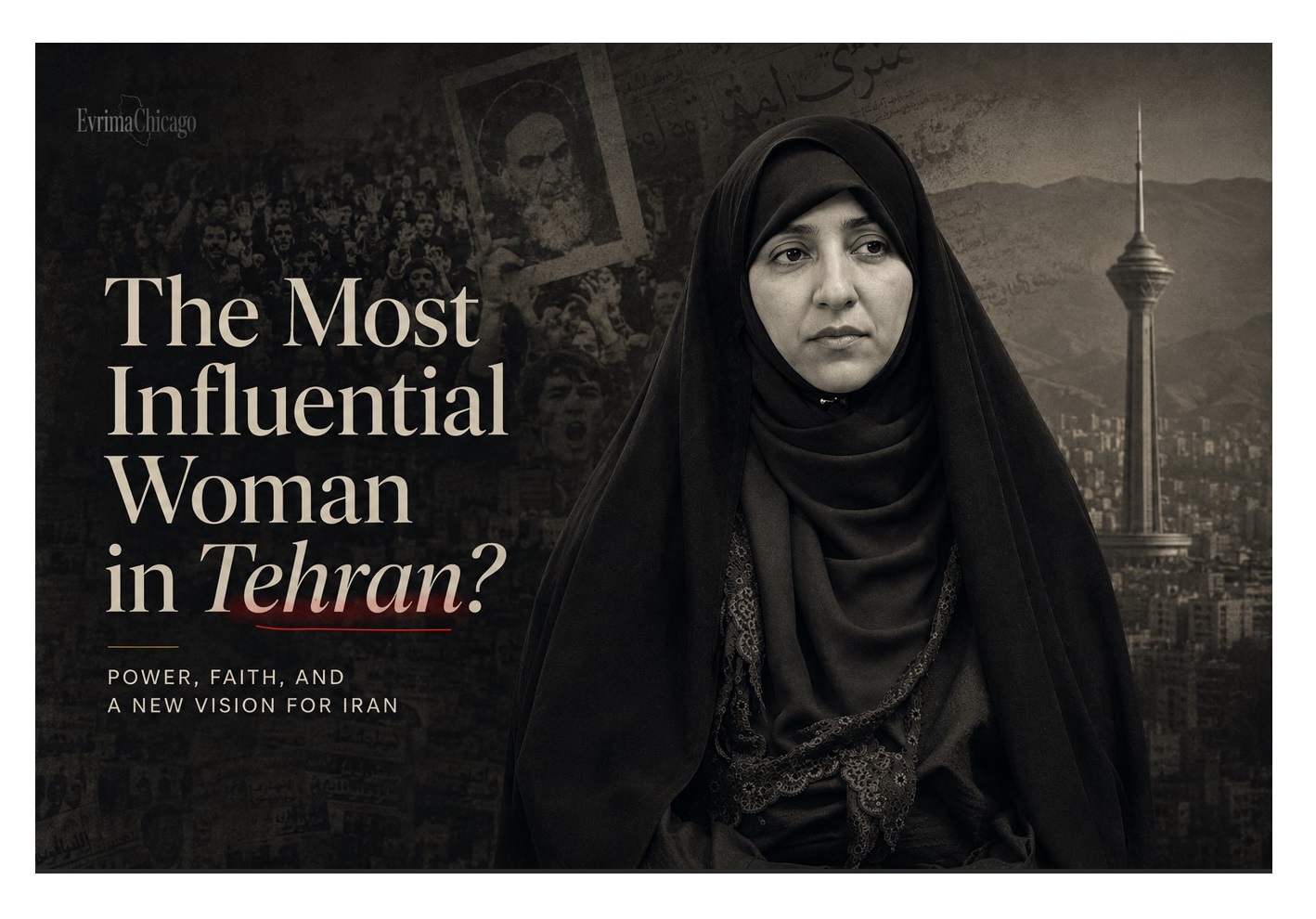
At a time when Iran faces mounting economic pressures, regional instability, demographic challenges, and intense international scrutiny, Vice President Zahra Behrouz Azar has emerged as one of the most visible female figures within the country's governing structure. Whether viewed as a reform-minded administrator, a policy advocate, or a symbol of women's participation in public life, her growing prominence raises an increasingly important question: Is Zahra Behrouz Azar the most influential woman in Tehran?
A New Generation of Political Visibility
Emergence in a Complex Political Landscape
Throughout modern Iranian political history, women have occupied influential roles in academia, healthcare, business, journalism, and civil society. Yet relatively few have ascended to positions capable of shaping national policy from within the executive branch itself. Zahra Behrouz Azar's appointment as Vice President for Women and Family Affairs marked a notable moment in Iran's evolving political landscape, placing her at the center of some of the country's most consequential social discussions.
Her rise coincides with a period of profound transformation. Iran faces a convergence of demographic shifts, economic uncertainty, technological disruption, and changing social expectations among younger generations. These forces have created pressure for policymakers to address issues extending beyond traditional governance concerns and into the daily realities of family life, employment opportunities, education, healthcare access, and social mobility.
As Vice President, Behrouz Azar occupies a position uniquely situated between governmental institutions and the population they serve. Unlike ministers focused on singular sectors, her portfolio intersects with virtually every aspect of social policy, giving her visibility across a broad range of national conversations.
The Strategic Importance of Social Policy
Political influence is often measured through military command, economic authority, or control over security institutions. However, modern governance increasingly recognizes that long-term national stability is rooted in social cohesion.
Questions surrounding family development, women's participation in the workforce, educational access, childcare systems, and demographic sustainability have become strategic concerns rather than merely social ones. Nations across the globe now view these issues as directly connected to economic competitiveness and national resilience.
Within this framework, Behrouz Azar's responsibilities extend beyond advocacy. They encompass policy discussions that may shape future labor markets, population trends, educational outcomes, and social development initiatives.
In many respects, the office she occupies represents one of the most consequential intersections between state policy and everyday life.
Women, Leadership, and Representation
The Symbolism of Female Leadership
Representation carries political significance independent of formal authority. Throughout the Middle East, the visibility of women in senior governmental positions has become an important indicator of broader institutional evolution.
Behrouz Azar's position places her among a relatively small group of women entrusted with national-level executive responsibilities in the region. For supporters, this visibility demonstrates an expanding role for women within policymaking circles. For critics, it raises questions regarding the extent to which symbolic representation translates into measurable policy outcomes.
Regardless of perspective, her prominence is difficult to ignore.
Media coverage, policy forums, and public discussions increasingly identify her as one of the leading female voices within Iran's contemporary political environment. Such recognition reflects not only her office but also the growing importance of issues traditionally categorized as social concerns.
Beyond Symbolism
The challenge facing any public official is transforming visibility into tangible impact.
Modern citizens increasingly judge political leaders not by speeches alone but by measurable outcomes. Access to opportunity, improvements in quality of life, educational advancement, and social stability have become key indicators of success.
Behrouz Azar's long-term influence may therefore depend less upon ceremonial status and more upon her ability to translate policy objectives into practical results.
History often remembers leaders not for the positions they held but for the changes they helped facilitate.
Influence During an Era of Regional Turbulence
Humanitarian Concerns and Public Discourse
The Middle East remains one of the world's most geopolitically complex regions. Ongoing conflicts, humanitarian crises, displacement, infrastructure destruction, and civilian suffering continue to dominate international attention.
Against this backdrop, discussions concerning civilian protection have become central to diplomatic messaging across the region.
The destruction of hospitals, schools, residential neighborhoods, energy infrastructure, and public services has generated widespread debate regarding international humanitarian law and the responsibilities of state actors during armed conflict.
As humanitarian concerns increasingly shape political narratives, officials responsible for social and family affairs occupy an important position within these discussions. The consequences of conflict are often measured not only through military statistics but through their effects on families, children, healthcare systems, and future generations.
This reality has elevated the significance of voices focused on social welfare and civilian well-being.
The Politics of Human Security
Traditional definitions of security emphasize borders, military readiness, and strategic deterrence.
A newer framework, often referred to as "human security," focuses on the protection of individuals from threats such as poverty, displacement, disease, food insecurity, and violence.
Within this framework, the destruction of civilian infrastructure becomes more than a military issue. It becomes a societal one.
Schools represent educational continuity.
Hospitals represent public health.
Housing represents stability.
Utilities represent survival.
The growing prominence of these issues has expanded the political relevance of officials tasked with protecting social welfare, placing leaders such as Behrouz Azar closer to major national and international conversations.
The Demographic Challenge
A Nation Looking Toward the Future
Like many countries around the world, Iran faces demographic questions that will shape future economic and social planning.
Population trends influence labor markets, healthcare systems, housing demand, educational infrastructure, and long-term economic sustainability.
Policymakers increasingly recognize that family policy is not merely a cultural issue but a strategic one.
Decisions made today regarding childcare, education, workforce participation, and family support structures may influence national outcomes decades into the future.
As Vice President for Women and Family Affairs, Behrouz Azar operates within this critical policy environment, where social decisions carry economic consequences and demographic realities shape national planning.
The Intersection of Economics and Family Life
Modern families face challenges that transcend national borders.
Housing affordability, employment opportunities, inflation, healthcare costs, and educational expenses affect family formation across developed and developing nations alike.
Governments increasingly seek policies capable of balancing economic realities with social aspirations.
In this context, Behrouz Azar's portfolio places her at the center of debates concerning workforce participation, family development, social support systems, and long-term national resilience.
These are not secondary issues.
They are among the defining governance questions of the twenty-first century.
Soft Power and Political Influence
The Nature of Modern Influence
Influence does not always manifest through command structures or legislative authority.
Some of the most consequential political figures shape narratives rather than issue directives. They influence priorities rather than control institutions. They elevate conversations rather than dominate them.
This form of influence, often described as soft power, can have profound effects on policymaking and public perception.
Behrouz Azar's visibility, public engagement, and policy focus place her within this category of leadership.
Her influence may ultimately derive not from coercive authority but from her ability to frame discussions surrounding family welfare, social development, and national priorities.
The Measure of Political Legacy
Political legacies are often evaluated years after leaders leave office.
Some are remembered for legislation.
Others for diplomacy.
Others for social transformation.
The true measure of Behrouz Azar's influence will likely depend upon whether future observers view her tenure as a period of meaningful progress in addressing the challenges facing Iranian families and women.
If measurable improvements emerge, her role may be viewed as historically significant.
If not, her prominence may be remembered primarily as symbolic.
The distinction between those outcomes will define how history ultimately judges her influence.
Conclusion: The Question That Remains
Tehran has long been home to influential political figures, powerful institutions, respected academics, and prominent social leaders. Yet influence is not solely a function of rank. It is a product of visibility, relevance, timing, and the ability to shape national conversations.
At a moment when Iran confronts economic uncertainty, regional instability, humanitarian concerns, demographic challenges, and evolving social expectations, Zahra Behrouz Azar occupies a position that places her at the intersection of these defining issues.
Whether she ultimately becomes a transformational policymaker, a symbolic representative of changing political realities, or a bridge between government institutions and public concerns remains to be seen.
What is clear is that her profile continues to rise.
And as her influence grows, so too does the question increasingly asked by observers both inside and outside Iran:
Is Zahra Behrouz Azar the most influential woman in Tehran?
Area of Influence | Strategic Importance | Potential Long-Term Impact |
Women and Family Policy | National social development | Workforce participation and family stability |
Demographic Planning | Population sustainability | Economic resilience and labor market health |
Humanitarian Advocacy | Civilian welfare and social protection | Public trust and international visibility |
Social Policy Development | Education, healthcare, and family support | Long-term societal outcomes |
Public Representation | Visibility of women in government | Institutional and cultural influence |