
Why Storytelling Still Wins: The Man Turning Life Lessons Into a Movement

At a glance
Why Storytelling Still Wins: The Man Turning Life Lessons Into a Movement
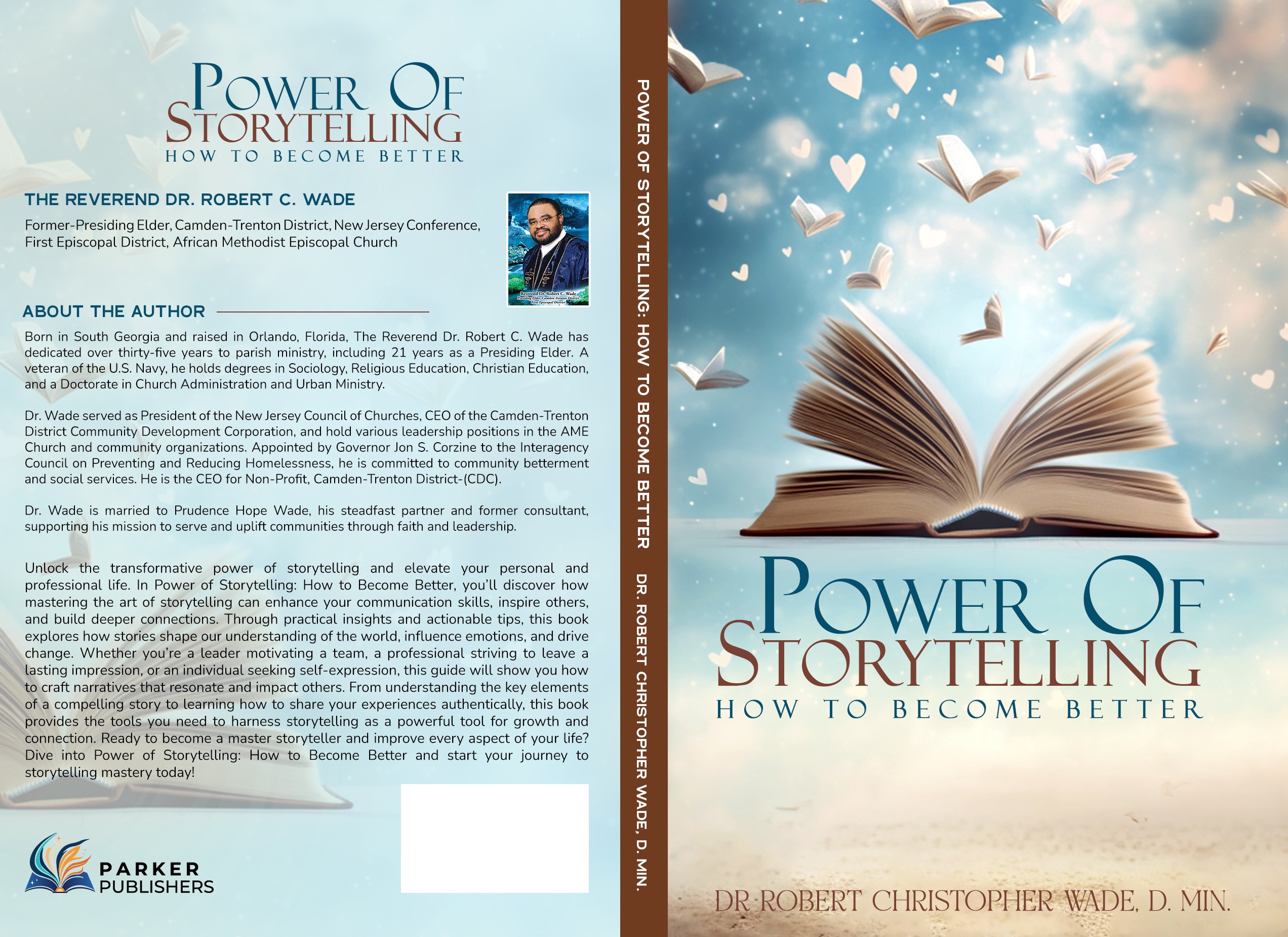
In a world dominated by short videos, viral posts, and endless scrolling, it’s easy to think attention is fading. But here’s the truth: people still stop for a good story. Not because it’s polished, but because it feels real. That’s exactly the space Reverend Dr. Robert Christopher Wade is stepping into with his book Power of Storytelling: How to Become Better and his message couldn’t be more timely.
Wade isn’t coming at storytelling from a corporate playbook or a social media strategy. His foundation is far more personal. Long before he became a pastor, author, and community leader, he was a kid in Orlando, Florida, trying to earn a few cents by selling peanuts. At nine years old, he learned something that most people take years to figure out: people don’t respond to products, they respond to connection. “I realized that words matter. The way you tell a story and the way you connect with people make all the difference,” he shares.
That lesson didn’t stay in his childhood. It followed him into decades of ministry, where he saw firsthand what actually sticks with people. It wasn’t the statistics or structured messages it was the stories. The ones that felt honest, relatable, and human. “Whenever I spoke using stories, the impact was deeper and longer lasting,” Wade explains.
And that realization is what turned into a book that feels less like instruction and more like a conversation. The power of Storytelling doesn’t just teach you how to tell a story, it pushes you to understand why your story matters in the first place. In today’s culture, where everyone is constantly sharing but not always connecting, Wade’s message hits differently. He’s not asking people to perform. He’s asking them to be real.
“Your story is not just something you tell, it is something you live, shape, and use to become better,” he says.
That idea is resonating right now because people are tired of surface-level communication. Whether it’s in business, leadership, or everyday life, authenticity has become the currency of trust. Wade leans into that shift, reminding readers that storytelling isn’t about being perfect it’s about being honest enough to be understood.
His journey itself proves the point. Growing up in a large family with limited resources, he learned resilience early. Those experiences didn’t hold him back; they became the foundation of his voice. From selling peanuts on the streets to leading communities through faith and service, his story reflects growth, struggle, and transformation of the exact ingredients he now teaches others to embrace.
What makes his work stand out is how accessible it feels. This isn’t just for writers or speakers. It’s for anyone who’s ever felt like they had something to say but didn’t know how to say it. In a time where storytelling drives everything from branding to leadership Wade brings it back to something simple: connection.
And maybe that’s why his message is gaining traction. Because beneath all the noise, people are still looking for something real. Something that makes them feel seen.
And sometimes, all it takes is one honest story to do that.
More from education

The Daily Brief
Get the day's most important stories, handpicked by our editors, delivered to your inbox every morning.
No spam. Unsubscribe anytime.