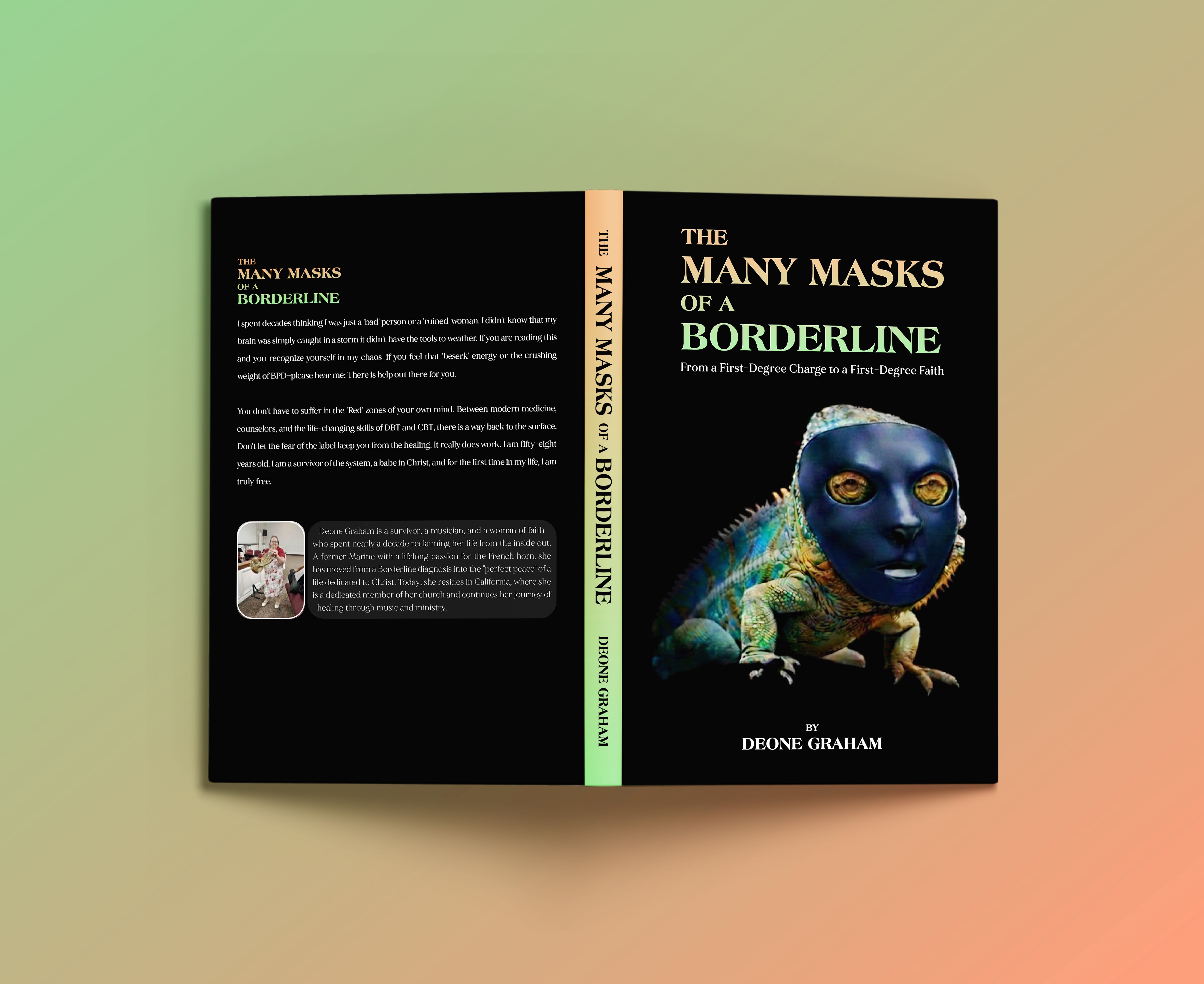

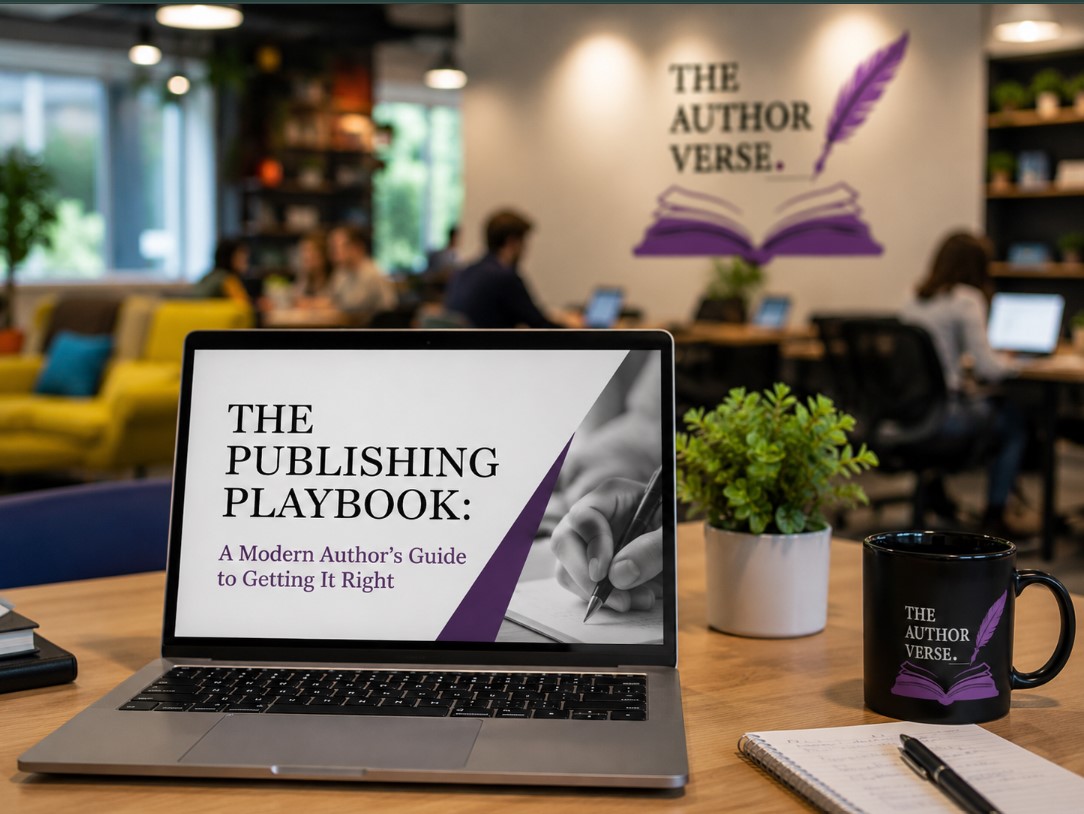
The Publishing Playbook: A Modern Author's Guide to Getting It Right
At a glance
There has never been a more exciting, confusing, empowering, or occasionally hair-pulling time to become an author.
Yet with that freedom comes an avalanche of decisions.
Should you pursue a traditional publishing deal or independently publish your work? Do you really need an ISBN? Who actually owns your copyright? How do literary agents fit into the equation? Why do royalty percentages vary so dramatically? Should your book be printed on demand or through an offset press?
Whether you're finishing your first novel, polishing a memoir, or preparing a nonfiction masterpiece, understanding the publishing ecosystem is just as important as writing a compelling story. Think of your manuscript as an airplane. Writing builds the wings, but publishing determines whether the aircraft ever leaves the runway.
The Publishing World Has Changed Forever
For decades, traditional publishing stood as the undisputed gatekeeper of literature. Major publishing houses selected relatively few manuscripts from thousands submitted each year, investing substantial resources into editing, design, printing, distribution, and marketing.
Today, technology has rewritten many of those rules.
Independent publishing platforms, digital bookstores, print-on-demand technology, and online marketing have democratized the industry. Authors no longer require permission to publish. They simply need preparation.
The modern publishing landscape is less like a single highway and more like a sprawling interstate system. Every road reaches readers, but each follows a different route.
Traditional Publishing: The Long Road with Established Companions
Traditional publishing remains an attractive option for many writers.
In this model, a publishing house acquires the rights to publish your book. Professional editors refine the manuscript, designers create the cover, production teams manage printing, and sales departments work with retailers.
For many authors, this arrangement provides credibility and industry recognition.
- Professional editorial guidance
- Established distribution channels
- Physical bookstore placement
- Potential advances against future royalties
- Industry prestige
- Professional production quality
However, traditional publishing also demands patience.
Finding representation, securing a publishing contract, completing revisions, and waiting for production can easily require several years.
Authors also surrender varying degrees of creative control.
A publisher may recommend changing the title, redesigning the cover, adjusting content, or even delaying publication based on market conditions.
Some writers embrace this collaborative process.
Others find it creatively restrictive.
Neither perspective is inherently right or wrong.
Self-Publishing: The Entrepreneurial Route
Independent publishing has matured dramatically over the past decade.
Gone are the days when self-publishing automatically implied poor editing or amateur design.
Today's independent authors routinely produce books that rival traditionally published titles in both quality and commercial success.
Self-publishing offers remarkable flexibility.
Authors decide:
- Publication date
- Book pricing
- Cover design
- Interior formatting
- Marketing strategy
- Distribution channels
- Future revisions
Perhaps most importantly, authors retain considerably greater ownership of their intellectual property.
The financial model also differs.
Instead of accepting smaller royalty percentages through traditional contracts, independent authors often earn substantially larger shares of each sale.
Writing the book is only the first chapter.
Running the publishing business becomes the second.
ISBNs: The Tiny Number Carrying Enormous Responsibility
Few publishing terms generate more confusion than the ISBN.
An International Standard Book Number functions as a unique identifier assigned to a specific edition of a book.
Imagine walking into an enormous library containing millions of titles.
Without catalog numbers, finding one particular edition would resemble locating a single grain of sand on an endless beach.
The ISBN solves that problem.
Each version of a publication generally receives its own unique identifier.
For example:
| Edition | ISBN Required |
|---|---|
| Paperback | Yes |
| Hardcover | Yes |
| eBook | Yes (depending on distribution) |
| Audiobook | Yes (depending on distribution) |
Libraries, bookstores, wholesalers, distributors, retailers, and inventory systems all rely upon ISBNs to identify publications accurately.
Copyright: Your Story Belongs to You
One of the most persistent myths in publishing is that authors must register a copyright before their work is protected.
Fortunately, the law is kinder than popular rumor.
Under United States copyright law, original creative work generally receives copyright protection the moment it is fixed in a tangible form.
That means typing your manuscript into a computer or writing it onto paper establishes copyright automatically.
Registration, however, provides significant legal advantages.
It creates a public record of ownership and strengthens an author's ability to enforce rights if infringement occurs.
Writers often joke that they fear someone stealing their ideas.
The truth is that ideas are plentiful.
Execution is priceless.
Literary Agents: Translators Between Creativity and Commerce
Literary agents occupy a fascinating position within publishing.
They represent authors during negotiations with publishing houses.
An experienced agent understands contracts, subsidiary rights, foreign licensing, audiobook opportunities, film adaptations, royalty structures, and publishing trends.
More importantly, agents know editors.
That relationship often opens doors unavailable through unsolicited submissions.
Finding the right literary agent resembles searching for a long-term business partner rather than simply hiring a representative.
Research matters.
Authors should examine:
- Genres represented
- Recent publishing deals
- Client lists
- Submission guidelines
- Professional reputation
- Communication style
Personalization also matters.
Agents recognize generic query letters almost immediately.
An effective query demonstrates familiarity with the agent's interests while presenting a concise, compelling overview of the manuscript.
Royalties: Understanding How Authors Earn
Few topics create more confusion than royalties.
Simply stated, royalties represent the author's share of revenue generated through book sales.
The percentages vary significantly depending upon publishing models.
Traditional publishing contracts often offer royalties calculated as a percentage of either the retail price or the publisher's net receipts.
Independent publishing platforms frequently allow authors to receive substantially higher percentages because they assume many production responsibilities themselves.
Royalties may also extend beyond printed books.
Additional revenue streams can include:
- Audiobooks
- Foreign translations
- Film rights
- Television adaptations
- Educational licensing
- Large-print editions
- Merchandise
- Digital subscriptions
One successful book can evolve into multiple independent income sources.
Authors increasingly recognize that a manuscript is not merely a product.
It is intellectual property capable of generating value across numerous formats and markets.
Printing Options: Not Every Book Begins the Same Way
Printing technology has advanced tremendously.
Today's authors generally choose between two primary approaches.
Print-on-Demand
Books are printed only after customers place orders.
- Minimal upfront investment
- No warehouse storage
- Inventory never becomes obsolete
- Easy updates and revisions
- Lower financial risk
This approach works exceptionally well for independent authors.
Offset Printing
Large quantities are printed simultaneously.
- Lower per-unit cost
- Premium production quality
- Greater customization
- Better economics for high-volume sales
Offset printing makes the most sense when substantial demand already exists.
Neither method is universally superior.
The best option depends upon an author's goals, audience, budget, and expected sales volume.
Publishing Is No Longer About Gatekeepers
Perhaps the most significant transformation within publishing has nothing to do with technology.
It concerns access.
Authors now possess opportunities unimaginable only twenty years ago.
- Social media builds readership.
- Newsrooms amplify visibility.
- Digital bookstores reach international audiences.
- Podcasts introduce writers to new communities.
- Email newsletters cultivate loyal readers.
- Independent media organizations create space for voices previously overlooked.
Building an Author Platform Before Publication
Many first-time writers assume marketing begins after publication.
In reality, it starts much earlier.
Readers connect with people before they connect with books.
Building an online presence through thoughtful articles, interviews, newsletters, podcasts, guest features, and professional newsrooms creates familiarity long before launch day.
That visibility often translates into stronger book sales because audiences already recognize the author's expertise and personality.
A Personal Milestone Worth Celebrating
Every author's journey is marked by moments that quietly reshape the road ahead.
For me, one of those moments arrived when Evrima Chicago graciously awarded me an honorary author account on its newsroom.
I remain sincerely grateful for that recognition.
Beyond the personal encouragement, the opportunity represents something much larger.
It creates a meaningful platform through which authentic storytelling can reach genuine authors, curious readers, literary professionals, and communities that continue to believe in the enduring value of thoughtful journalism.
In an era increasingly dominated by algorithms, sensational headlines, and fleeting attention spans, spaces that celebrate substantive writing matter more than ever.
I hope this milestone becomes one more bridge connecting dedicated writers with the audiences searching for stories worth reading.
The Future Belongs to Informed Authors
Publishing is no longer a mystery hidden behind the walls of Manhattan boardrooms.
It has become an ecosystem where creativity, entrepreneurship, technology, and intellectual property intersect.
The most successful authors will not necessarily be those with the loudest marketing campaigns or the largest advertising budgets.
They will be the writers who understand the business as deeply as they understand the craft.
- Learn the publishing process.
- Protect your work.
- Understand your rights.
- Choose partners wisely.
- Build relationships with readers.
- And never underestimate the extraordinary distance a well-told story can travel.
For authors seeking additional guidance on publishing services, editorial support, book marketing, and industry resources, visit The Author Verse
More from Author

The Daily Brief
Get the day's most important stories, handpicked by our editors, delivered to your inbox every morning.
No spam. Unsubscribe anytime.