
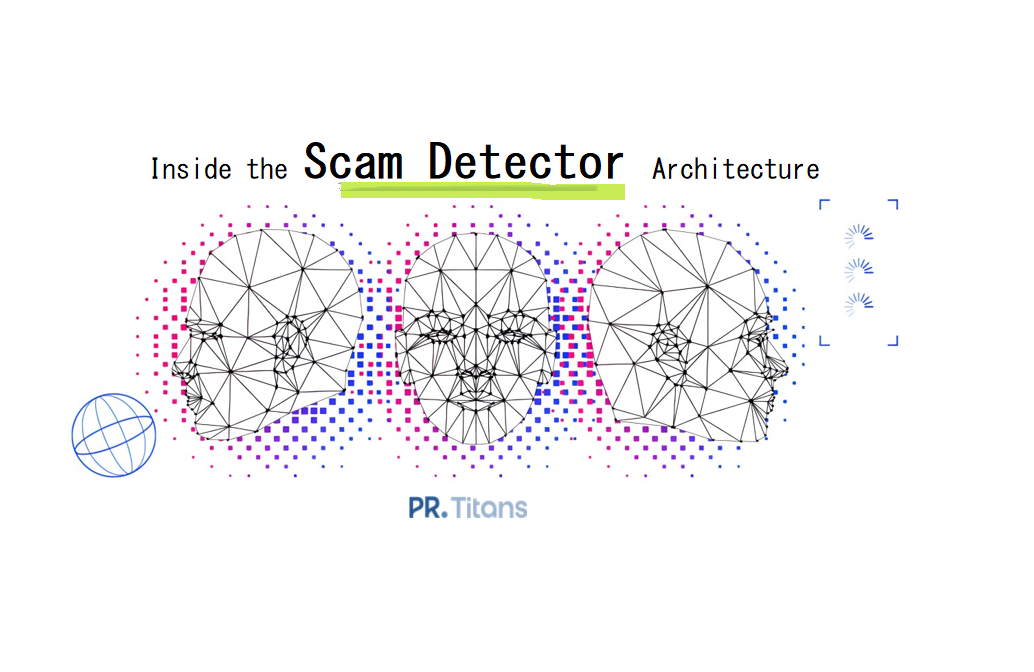
The Validation Engine: Inside the Scam Detector Architecture

At a glance
The VLDTR Framework: Engineering Digital Trust Assessment
The Validation Engine: Inside the Scam Detector Architecture
The VLDTR
Framework: Engineering Digital Trust Assessment
Algorithmic
Foundations
At the core
of Scam Detector's infrastructure is the VLDTR (Validator) engine, a
proprietary scoring mechanism that evaluates dozens of technical indicators to
produce a single trustworthiness rating. Rather than relying primarily on user
sentiment or anecdotal reviews, the framework emphasizes measurable
characteristics such as domain age, hosting infrastructure, SSL certificate
configuration, registrar transparency, and historical network associations.
This
methodology reflects contemporary cybersecurity practices that prioritize
objective technical signals over subjective reputation metrics. By analyzing
structural characteristics commonly associated with fraudulent operations, the
platform seeks to identify risks before widespread consumer complaints emerge.
The result is a rapid assessment model capable of evaluating websites at a
scale that would be impossible through manual review alone.
A defining
characteristic of the VLDTR approach is its adoption of a practical
"zero-trust" philosophy. Newly established domains are treated with
heightened scrutiny until sufficient indicators of legitimacy accumulate. Such
caution has proven particularly relevant during periods of elevated online
activity, including major retail events and seasonal shopping cycles, when
fraudulent storefronts frequently emerge to exploit consumer demand.
Yet the
strengths of automated skepticism can also create limitations. Legitimate
startups, newly launched e-commerce ventures, and emerging service providers
may initially receive lower trust scores due to limited operational history
rather than demonstrable misconduct. This recurring challenge illustrates a
broader issue within algorithmic risk assessment: balancing consumer protection
against the realities of entrepreneurial growth in a rapidly evolving digital
economy.
Institutional
Development and Corporate Evolution
From
Investigative Project to Technology Platform
Scam
Detector was established in 2011 by Sorin Mihailovici, whose background in
journalism helped shape the platform's evidence-driven approach to fraud
awareness. Initially conceived as an educational resource for identifying scams
and deceptive practices, the project focused on collecting reports, publishing
investigations, and providing accessible guidance for internet users.
As online
fraud schemes became increasingly sophisticated, the platform gradually evolved
beyond content publishing into a technology-centric operation. Automated
validation systems, large-scale domain analysis, and algorithmic trust scoring
became central components of its service model, transforming Scam Detector from
a reference resource into an active assessment platform.
A
significant milestone occurred in March 2024 when the company was acquired by
Guiding Tech Media. The acquisition expanded the platform's operational
resources and positioned it within a broader network of consumer-focused
technology properties. This transition enabled additional investment in data
infrastructure, algorithm development, and the expansion of domain monitoring
capabilities.
Despite
these structural changes, the platform's stated mission remains rooted in
consumer protection and digital literacy. Many of its educational materials
reference broader regulatory developments, including evolving privacy
standards, fraud-prevention initiatives, and consumer protection frameworks
that continue to shape the online marketplace.
Fraud
Recovery and the Boundaries of Digital Assistance
Navigating
a Complex Post-Fraud Landscape
Beyond
prevention and risk assessment, Scam Detector also occupies a role within the
broader fraud recovery ecosystem. The platform provides educational resources
and referral pathways for individuals who have already experienced financial
losses, particularly in areas such as cryptocurrency fraud, online investment
schemes, and digital payment scams.
This aspect
of its operation remains one of the most debated. While many users seek
guidance after becoming victims of fraud, the recovery sector itself has become
a target-rich environment for secondary scams. Fraudsters frequently exploit
vulnerable victims by offering unrealistic promises of asset recovery, forensic
tracing, or guaranteed reimbursement.
As a result,
Scam Detector consistently emphasizes independent verification and due
diligence when engaging with recovery-related services. The platform's guidance
generally aligns with established cybersecurity recommendations that encourage
victims to verify credentials, document evidence, and maintain communication
with recognized authorities rather than relying solely on private recovery
entities.
In practice,
the platform functions less as a recovery provider and more as a navigational
resource directing users toward formal reporting mechanisms and investigative
channels. This includes encouraging reports through established governmental
and law-enforcement frameworks responsible for tracking cybercrime and consumer
fraud.
Reputation
Exploitation and the Rise of Scam Detector Impersonators
When
Trust Becomes a Target
As digital
trust-scoring platforms have gained prominence, a parallel ecosystem has
emerged that attempts to exploit public reliance on online reputation
indicators. Cybersecurity researchers and consumer advocates have repeatedly
warned that fraudsters often imitate legitimate review, verification, and
trust-assessment services in order to create the appearance of authority.
These
impersonation schemes can take several forms. In some instances, bad actors
create websites, email campaigns, or outreach operations that falsely present
themselves as affiliated with recognized trust-rating platforms. In others,
businesses and individuals report being contacted by third parties claiming
that a negative rating, warning notice, or trust deficiency can be
"fixed" in exchange for payment.
The
underlying tactic is straightforward: leverage anxiety surrounding online
reputation and consumer trust. For small businesses, freelancers, content
creators, and independent professionals, a public allegation of fraud—or even
the appearance of reputational risk—can have significant financial
consequences. This creates an environment in which victims may feel pressured
to purchase unnecessary reputation-management services or engage with entities
that falsely claim special access to trust-scoring systems.
Consumer
protection experts note that legitimate trust-assessment platforms generally do
not sell guaranteed rating improvements, nor do they provide mechanisms through
which adverse findings can simply be removed in exchange for payment. Any
individual or organization claiming otherwise should be approached with caution
and subjected to independent verification.
The broader
challenge highlights an unintended consequence of the digital trust economy:
systems designed to identify scams can themselves become attractive targets for
imitation. As public reliance on algorithmic reputation signals grows, so too
does the incentive for bad actors to exploit the authority associated with
those signals.
Conclusion
Scam
Detector represents a modern example of algorithmic trust infrastructure
operating at internet scale. Through its VLDTR validation framework, the
platform seeks to convert complex technical indicators into accessible risk
assessments for everyday internet users. While such systems provide valuable
protection against emerging fraud schemes, they also illustrate the limitations
inherent in automated reputation analysis, particularly when evaluating newly
established legitimate enterprises.
Equally
important is the recognition that the broader reputation-verification ecosystem
is not immune to abuse. Consumers, businesses, and public figures must remain
vigilant not only against traditional online scams but also against fraudulent
actors who attempt to exploit the credibility of trust-rating systems
themselves. In an increasingly interconnected digital marketplace, trust has
become both a protective mechanism and a valuable commodity—one that requires
transparency, accountability, and continuous scrutiny from all participants.
More from Author


The Daily Brief
Get the day's most important stories, handpicked by our editors, delivered to your inbox every morning.
No spam. Unsubscribe anytime.