
The Trump-Netanyahu Friction Point

At a glance
The Trump-Netanyahu Friction Point
Diplomatic Volatility: The Trump-Netanyahu Friction Point
The personal chemistry between Donald Trump and Benjamin Netanyahu has fractured under the weight of regional escalation, as the U.S. President confirmed using aggressive expletives to rebuke the Israeli leader's military strategy in Lebanon. This confrontation exposes a deep tactical rift where Trump’s demand for a localized ceasefire clashes with Netanyahu’s pursuit of Hezbollah, risking the broader American objective of a final nuclear settlement with Iran. Despite the public vitriol, both leaders maintain a transactional alliance rooted in historical precedent, though the current friction threatens the stability of the U.S.-led diplomatic architecture in the Middle East.
The Mar-a-Lago Fracture
Direct Admissions and Expletive Diplomacy
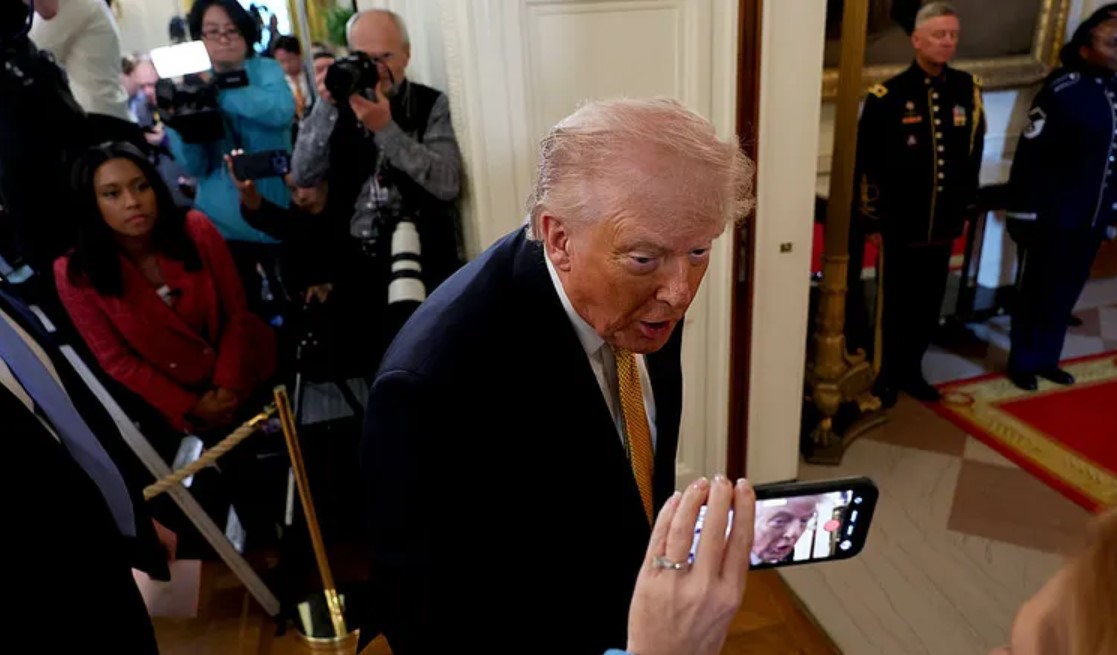
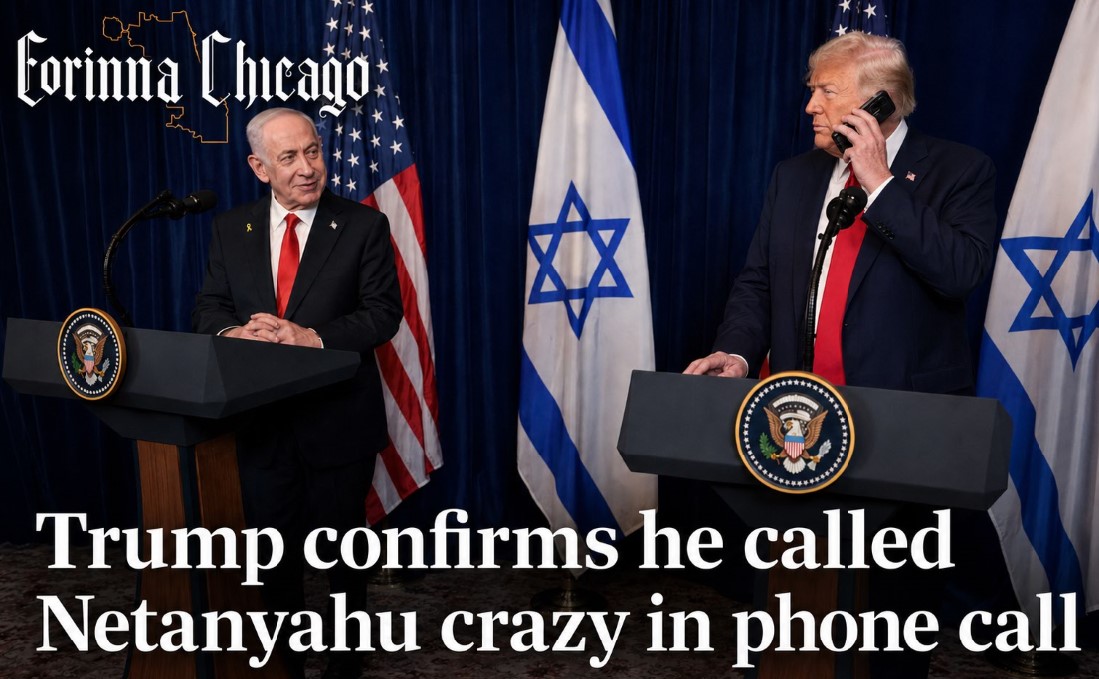
In an unprecedented breach of standard diplomatic decorum, President Donald Trump has publicly confirmed reports of an expletive-laden phone call with Prime Minister Benjamin Netanyahu. Speaking on the "Pod Force One" podcast, Trump acknowledged describing Netanyahu as "fucking crazy" during a conversation centered on Israel's ongoing military operations in Lebanon. The President’s admission validates a report by Axios that detailed a high-tension exchange where Trump allegedly reminded the Israeli leader of his legal and political vulnerabilities.
Trump’s rhetoric during the call—suggesting Netanyahu would be "in prison" without his support—reveals a significant shift from the performative camaraderie of his first term. This aggressive posture is not merely personal but serves as a blunt instrument of foreign policy intended to force compliance on a specific regional issue. By bringing these private frustrations into the public sphere, Trump is signaling to both domestic and international audiences that his support for Israel is not a blank check, particularly when it conflicts with his broader transactional goals.
The Lebanon Impasse
At the heart of this friction is the Israeli invasion of Lebanon, launched in March to neutralize the Iran-aligned Hezbollah militia. Trump has expressed increasing irritation with the persistence of the fighting, which he views as a distraction from his efforts to secure a comprehensive deal with Tehran. The President’s remark, "Bibi, we got to stop this," underscores a desire for a swift resolution that Netanyahu, facing domestic pressure to secure Israel's northern border, has been slow to provide.
This tactical disagreement highlights the inherent tension between U.S. global interests and Israeli regional security priorities. While Israel views the dismantling of Hezbollah as an existential necessity, the Trump administration perceives the continued conflict as a barrier to its "Maximum Pressure" 2.0 strategy. The friction is further compounded by recent Israeli drone strikes in southern Lebanon, which have continued despite U.S.-mediated efforts to de-escalate hostilities near Beirut.
Geopolitical Leverage and the Iranian Shadow
The Quest for the Ultimate Nuclear Deal
Trump’s frustration with Netanyahu is inextricably linked to his ambitions regarding Iran. The Iranian government has explicitly stated it will not finalize a new nuclear agreement unless a ceasefire is established in Lebanon. Consequently, Netanyahu’s refusal to halt operations is perceived by the White House as a direct impediment to one of Trump’s primary foreign policy objectives. Trump maintains that his 2018 withdrawal from the Joint Comprehensive Plan of Action (JCPOA) made Israel safer, yet he now finds himself in the difficult position of having to negotiate a replacement deal while his primary ally continues to engage on a secondary front.
Critics of the administration argue that the current situation is a byproduct of the 2018 withdrawal, which allowed Iran to enrich uranium to near-weapons-grade levels. Trump, however, remains defiant, asserting that without his intervention, the state of Israel would no longer exist. This narrative of personal salvation allows Trump to justify his aggressive treatment of Netanyahu, framing his insults not as a betrayal of Israel, but as the tough-love interventions of its ultimate protector.
Netanyahu’s Calculated Response
Prime Minister Netanyahu’s public reaction to the reports has been one of practiced de-escalation. Speaking to CNBC, he dismissed the expletives as "tactical disagreements" akin to those found in "the best of families." By downplaying the rift, Netanyahu seeks to preserve his image as the only Israeli leader capable of managing the volatile American president. He continues to lean into the historical record, citing Trump as the "greatest friend Israel has ever had."
This strategy is a necessity for Netanyahu, who is grappling with legal challenges at home and a deeply divided electorate. He cannot afford a public break with the White House, even as he ignores Washington’s calls for restraint in Lebanon. This creates a bizarre diplomatic duality where the heads of state trade insults and demands behind the scenes while maintaining a facade of unbreakable alliance in public briefings.
Structural Risks of Personalist Foreign Policy
The Fragility of the Transactional Model
The current state of U.S.-Israel relations demonstrates the risks inherent in a personalist, transactional approach to foreign policy. When alliances are built on individual relationships and quid-pro-quo arrangements rather than institutional frameworks, they become susceptible to the temperaments of the leaders involved. The "saving your ass" rhetoric utilized by Trump shifts the alliance from a strategic partnership of shared values to a precarious debt-based relationship.
As hostilities continue in the Middle East, the lack of a clear, unified strategy between the two nations creates a power vacuum that regional adversaries like Iran and its proxies can exploit. If Trump cannot bring Netanyahu to heel on the Lebanon issue, his ability to project strength and secure a favorable deal with Tehran will be severely diminished. Conversely, if Netanyahu bows to U.S. pressure without achieving his military objectives, he faces a total collapse of his right-wing coalition in Jerusalem.
Strategic Ledger: Diplomatic & Military Status
| Category | Current Status | Primary Conflict Point | Geopolitical Implication |
|---|---|---|---|
| U.S.-Israel Relations | Highly Volatile / Transactional | Trump's expletive-laden rebuke of Netanyahu | Erosion of public diplomatic norms |
| Lebanon Conflict | Active Invasion (Since March) | Hezbollah strikes vs. IDF drone operations | Blockage of Iran nuclear negotiations |
| Iran Nuclear Policy | Stalled Negotiations | Demand for return to 2015-style curbs | Increased risk of nuclear breakout |
| Leadership Dynamics | Personal Friction | Netanyahu's perceived "ingratitude" | Potential shift in U.S. military aid conditions |
More from Op-Ed
The Daily Brief
Get the day's most important stories, handpicked by our editors, delivered to your inbox every morning.
No spam. Unsubscribe anytime.